


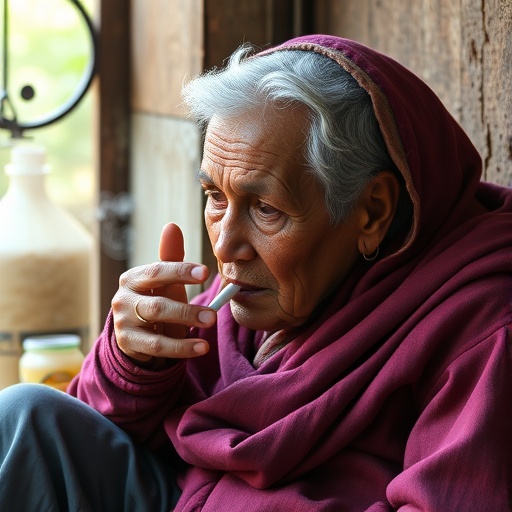
In the heart of Eastern Nepal, a significant health concern is emerging among the aging population—tobacco use. A recent community-based study led by researchers P.K. Mandal and M. Bhandari sheds light on the prevalence and predictors of tobacco consumption among older individuals in this region. As this age group often faces a multitude of health challenges, such findings are crucial for public health initiatives aimed at improving the well-being of seniors.
Tobacco use has been a major global health challenge for decades, contributing to a rise in non-communicable diseases. However, the particular dynamics of tobacco consumption in older adults are less frequently discussed. The research conducted in Eastern Nepal provides invaluable insights into the local context, revealing the extent of this public health issue and identifying key factors that influence tobacco usage among the elderly.
The study involved a comprehensive survey targeting older adults aged 60 and above. Researchers meticulously gathered data regarding demographic information, smoking habits, and socioeconomic status. The goal was to paint a detailed picture of tobacco use prevalence and the underlying reasons that might lead older individuals to engage in this harmful habit. This approach is essential, as it helps policymakers and health experts formulate effective intervention strategies tailored to the specific needs of this demographic.
Preliminary results disclosed a concerning high prevalence of tobacco use among older adults in Eastern Nepal. This statistic raises alarms, especially considering the well-documented health risks associated with tobacco consumption. The study revealed that many elderly individuals have used tobacco products for decades, often beginning their habit in their younger years. The findings indicate a strong intergenerational transmission of tobacco use, where lifestyle habits are passed down, leading to an entrenched culture of smoking among older populations.
The research also highlighted several predictors of tobacco use among older adults, notably including socio-economic factors, access to healthcare, and cultural norms. Many of the respondents reported financial constraints as a significant barrier to quitting tobacco. In economically disadvantaged communities, the affordability and accessibility of tobacco products greatly undermine cessation efforts. This correlation between economic status and tobacco use underscores the need for targeted public health campaigns aimed at improving economic conditions while promoting smoke-free lifestyles.
Another critical factor identified by the study was the impact of social networks on tobacco use. In communal societies, peer pressure plays a vital role in individuals’ choices, including smoking behaviors. Findings indicated that older adults who had social circles where tobacco use was prevalent were more likely to smoke themselves. These insights suggest that any effective intervention must consider the influence of social dynamics on tobacco consumption.
Moreover, cultural attitudes towards tobacco use reveal complex layers that can hinder cessation initiatives. In some communities, smoking is viewed as a traditional practice, often tied to social gatherings and celebrations. Bridging cultural beliefs with health messaging poses challenges for health educators who seek to change these long-standing perspectives. Understanding these cultural nuances is crucial for formulating strategies that resonate with the elderly population.
The researchers also noted a noteworthy gender disparity in tobacco usage. Men generally exhibited higher rates of tobacco consumption compared to women. This discrepancy serves as an important focus for developing gender-sensitive health interventions. Women, though fewer in number among tobacco users, may face unique social pressures and health implications, necessitating tailored approaches in addressing their specific needs.
Adding another dimension to the findings, the study proposed the necessity of accessible cessation programs. Currently, many older adults in Eastern Nepal lack adequate support systems or resources to quit tobacco successfully. The establishment of community-led programs that provide education, counseling, and resources could enhance the chances of older individuals breaking free from tobacco dependency.
Furthermore, the role of healthcare providers cannot be emphasized enough. Regular health check-ups for older adults should incorporate discussions about tobacco use. Healthcare professionals can play a pivotal role in advising and guiding patients through the quitting process, significantly increasing successful cessation rates. This highlights the need for ongoing training to equip healthcare workers with skills in tobacco cessation strategies tailored for older populations.
Given the urgency of the findings, public health policymakers are urged to take immediate action. Implementing comprehensive tobacco control policies specific to older adults, promoting awareness campaigns, and creating supportive environments for cessation could significantly alleviate the health burden posed by tobacco use amongst this vulnerable age group. The potential for shifting attitudes toward tobacco use hinges on community involvement and engagement.
In conclusion, the study conducted by Mandal and Bhandari provides a unique lens into the problems associated with tobacco use among older adults in Eastern Nepal. Through thorough analysis and thoughtful presentation of their findings, the researchers have opened avenues for further discussion and action. The urgency of these issues cannot be overstated, as the health of the aging population is a critical factor in the wellness of society as a whole. Tackling tobacco use in this demographic is not just a health issue; it represents a broader social challenge that requires collective effort.
To summarize, the community-based study sheds light on a pivotal concern facing elderly populations in Eastern Nepal as tobacco use continues to exert negative effects on their health. By understanding the prevalence and predictors of this behavior, stakeholders can work towards implementing effective interventions tailored to the needs and challenges unique to this community. In doing so, they will not only improve the health outcomes for older adults but also contribute to the overall progress of public health initiatives in the region.
Mandal, P.K., Bhandari, M. Prevalence and predictors of tobacco use among older people in Eastern Nepal: a community-based study.
BMC Geriatr (2025). https://doi.org/10.1186/s12877-025-06773-0
Cite Scienmag News
Phoebe Ingram. (November 29, 2025). Tobacco Use Trends Among Elderly in Eastern Nepal. Scienmag. https://scienmag.com/tobacco-use-trends-among-elderly-in-eastern-nepal/
Phoebe Ingram. "Tobacco Use Trends Among Elderly in Eastern Nepal." Scienmag, 29 November 2025, https://scienmag.com/tobacco-use-trends-among-elderly-in-eastern-nepal/. Accessed 4 September 2026.
Phoebe Ingram. "Tobacco Use Trends Among Elderly in Eastern Nepal." Scienmag. November 29, 2025. https://scienmag.com/tobacco-use-trends-among-elderly-in-eastern-nepal/


