


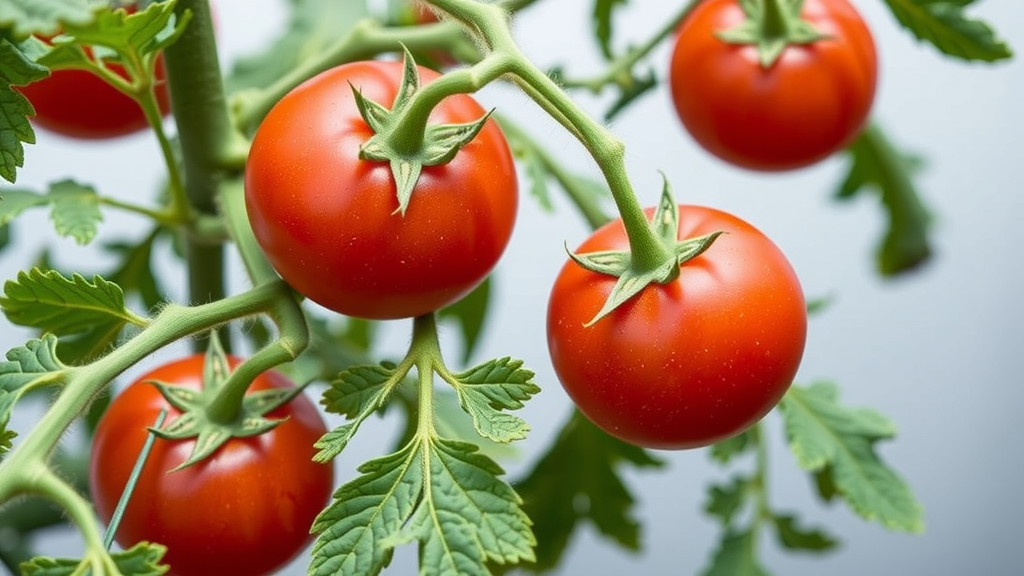
A pair of experimental biostimulants derived from corn and yeast have shown a remarkable ability to coax greenhouse crops into growing faster, photosynthesizing more efficiently, and using water more sparingly — all at concentrations far below those typically used in agricultural research. The findings, published in Discover Agriculture by researchers at the University of Bonn, suggest that protein hydrolysates, a class of bioactive products made from broken-down proteins, may deliver meaningful agronomic benefits at doses so low they were previously considered unlikely to matter.
Protein hydrolysates are mixtures of free amino acids and short peptides produced by enzymatically or chemically cleaving protein-rich raw materials. Under European Union Regulation 2019/1009, plant biostimulants are formally defined as products that stimulate plant nutrition processes independently of their nutrient content, improving nutrient use efficiency, abiotic stress tolerance, crop quality, or nutrient availability in the root zone. Within this category, protein hydrolysates have become one of the most intensively studied groups, valued both for their physiological effects on crops and for their role in valorizing agro-industrial waste streams. Yet despite growing commercial interest, important questions remain about how these products work, which formulations are most effective, and how application rate shapes the response.
The Bonn team, led by Fereshteh Bayat together with Thuy Huu Nguyen and Thomas Gaiser of the Institute of Crop Science and Resource Conservation, set out to test a specific hypothesis: that hydrolysates enriched in small peptides under 3 kilodaltons could enhance vegetative growth and water-use efficiency even when sprayed only twice, at very low concentrations. They compared two novel formulations supplied by Croptivate BV in the Netherlands. MP2025 is an enzymatically hydrolyzed product derived from maize, while AM2025 originates from the yeast Saccharomyces cerevisiae. Both were applied as foliar sprays at 0.05 and 0.1 percent by volume — equivalent to 0.5 and 1.0 milliliters per liter — which is substantially below the 2 to 5 milliliters per liter range commonly reported in the experimental literature.
The experiments were conducted in 2025 under tightly controlled greenhouse conditions at the University of Bonn, using two model crops chosen for their rapid early growth: cherry tomato (Solanum lycopersicum cv. Sungold) and common bean (Phaseolus vulgaris cv. Saxa). Plants were grown in a cocopeat-perlite substrate, irrigated with Hoagland nutrient solution, and maintained at day and night temperatures of 22 and 18 degrees Celsius with photosynthetically active radiation held near 400 micromoles per square meter per second. Sprays were applied at the appearance of the first true leaves and again seven days later, delivered at a volume equivalent to roughly 600 liters per hectare. Each treatment comprised eight replicate plants arranged in a factorial completely randomized design, with formulation and dose as the experimental factors.
At harvest, the researchers measured an extensive suite of traits: shoot and root fresh and dry weights, leaf area with a LI-3100C leaf area meter, leaf greenness via SPAD chlorophyll readings, and leaf gas exchange using a portable LI-6400XT infrared photosynthesis system. From the gas exchange data they calculated net photosynthetic rate, stomatal conductance, transpiration rate, intercellular carbon dioxide concentration, instantaneous water-use efficiency (the ratio of photosynthesis to transpiration), and intrinsic water-use efficiency (the ratio of photosynthesis to stomatal conductance). Data were analyzed separately for each species using two-way analysis of variance, followed by Duncan’s multiple range test where significant effects emerged.
The results were strikingly species-specific. Cherry tomato responded strongly and consistently across multiple traits. The maize-derived MP2025 at 0.1 percent raised water-use efficiency by approximately 31.8 percent relative to the untreated control, an improvement associated with enhanced photosynthetic performance and reduced transpiration rather than any change in stomatal conductance. The microbial-derived AM2025 at 0.05 percent significantly increased net photosynthesis by about 16.5 percent, and leaf greenness rose significantly with MP2025 at 0.1 percent. Leaf area and biomass accumulation also trended upward in tomato, and additional morphological traits including plant height, leaf expansion, and stem diameter improved at the low application rates tested.
Common bean told a different story. Responses were more limited and variable, with fewer statistically significant effects, although the microbial formulation at 0.1 percent increased shoot dry weight by roughly 18 percent, and leaf area rose by about 32.9 percent with AM2025 at 0.05 percent. Notably, in bean the primary benefit appeared to be stomatal rather than photosynthetic: protein hydrolysate application reduced stomatal conductance, thereby raising intrinsic water-use efficiency. The authors interpret this as a water-saving mechanism consistent with drought-adaptive stomatal regulation strategies known in legumes, in contrast to the carbon-gain-driven improvement observed in tomato.
The contrast between the two formulations underscores how much product origin matters. MP2025, derived from maize proteins, and AM2025, derived from yeast, differ in peptide composition, amino acid profiles, and associated bioactive compounds generated during hydrolysis. The study’s strong formulation-by-dose interactions — significant for transpiration and water-use efficiency in tomato, and for leaf area and transpiration in bean — indicate that neither the product nor the dose alone predicts the outcome; only the specific combination does. This aligns with a growing body of evidence that biostimulant efficacy depends on the interplay between source material, hydrolysis process, application strategy, and crop physiology, and that plant responses are not always proportional to the applied dose. Relatively low concentrations of bioactive peptides may be sufficient to trigger signaling and metabolic modulation of nitrogen assimilation and enzyme activity.
The dose dimension proved equally revealing. In tomato, the lower 0.05 percent rate favored photosynthetic stimulation, while the higher 0.1 percent rate favored water-use efficiency, suggesting a dose-dependent shift in the dominant mode of action from carbon assimilation toward water relations. In bean, responses were largely confined to stomatal regulation at the higher concentration. The authors caution that biomass, being a cumulative trait, may lag behind the rapid physiological adjustments that protein hydrolysates induce, and that longer observation periods — ideally spanning the full crop cycle under field or stress conditions — will be needed to determine whether these early physiological gains translate into yield and long-term productivity.
Even with those caveats, the implications are considerable. Demonstrating significant agronomic responses from just two foliar applications at 0.05 to 0.1 percent challenges the assumption that higher rates are necessary, and points toward biostimulant programs that are cheaper, easier to integrate into greenhouse practice, and gentler on the environment. As agriculture confronts the twin pressures of climate change and the environmental costs of synthetic fertilizers — including greenhouse gas emissions and nutrient leaching — tools that improve the efficiency of carbon gain per unit of water lost are increasingly valuable. The Bonn findings make clear that realizing that potential will require tailoring biostimulant choice and dose to the crop in question, but they also demonstrate that these products possess genuine biological activity at rates far lower than the field has generally assumed.
Subject of Research: Effects of low-dose foliar protein hydrolysate biostimulants on growth, physiology, and water-use efficiency of greenhouse tomato and common bean
Article Title: Unraveling effects of foliar protein hydrolysates on growth, physiology and water-use efficiency of greenhouse tomato and common bean
Article References: Bayat, F., Nguyen, T. H., & Gaiser, T. (2026). Unraveling effects of foliar protein hydrolysates on growth, physiology and water-use efficiency of greenhouse tomato and common bean. Discover Agriculture, 4(1), Article 288. https://doi.org/10.1007/s44279-026-00771-5
Image Credits: AI Generated
DOI: 10.1007/s44279-026-00771-5
Keywords: protein hydrolysates, biostimulants, foliar application, tomato, common bean, photosynthesis, water-use efficiency, amino acids, chlorophyll, stomatal conductance, sustainable agriculture, greenhouse crops
Cite Scienmag News
Alan Morgan. (September 20, 2026). Tiny Doses of Protein Biostimulants Boost Tomato Growth and Water Efficiency. Scienmag. https://scienmag.com/tiny-doses-of-protein-biostimulants-boost-tomato-growth-and-water-efficiency/
Alan Morgan. "Tiny Doses of Protein Biostimulants Boost Tomato Growth and Water Efficiency." Scienmag, 20 September 2026, https://scienmag.com/tiny-doses-of-protein-biostimulants-boost-tomato-growth-and-water-efficiency/. Accessed 5 October 2026.
Alan Morgan. "Tiny Doses of Protein Biostimulants Boost Tomato Growth and Water Efficiency." Scienmag. September 20, 2026. https://scienmag.com/tiny-doses-of-protein-biostimulants-boost-tomato-growth-and-water-efficiency/


