


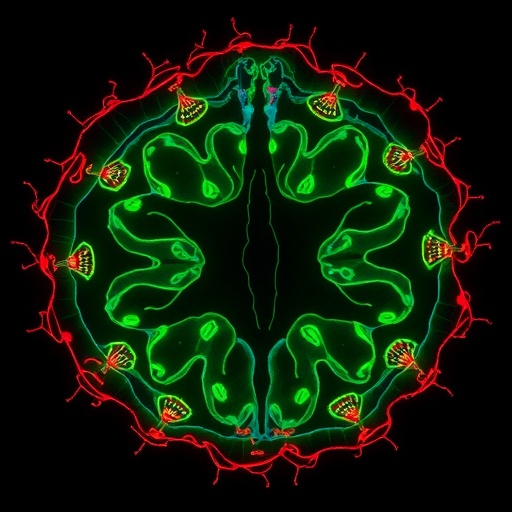
Recent studies have highlighted the critical role of immune responses in various neurological conditions, including spinal cord injuries (SCIs). The involvement of immune cells in the recovery process has prompted researchers to investigate innovative therapeutic avenues. One such exciting avenue is the investigation of IL-17 + γδT cells in the context of hyperbaric oxygen therapy (HBOT). This approach offers promising prospects for the treatment of spinal cord injuries, with the potential to modulate immune responses and promote neuronal repair.
IL-17 + γδT cells are a unique subset of immune cells that have garnered attention for their pivotal role in inflammatory responses. These cells are known for producing a variety of cytokines, particularly IL-17, which can significantly influence the behavior of other immune cells and contribute to tissue repair and regeneration after injury. Understanding the exact mechanisms through which IL-17 + γδT cells operate is crucial for developing targeted interventions aimed at enhancing recovery following spinal cord injuries.
Hyperbaric oxygen therapy has emerged as a therapeutic modality with applications across various medical fields, particularly in promoting wound healing and reducing inflammation. The principle behind HBOT lies in the administration of pure oxygen in a high-pressure environment, enabling the body to absorb more oxygen than under normal atmospheric conditions. This hyperoxic state is believed to enhance oxygen delivery to tissues, accelerate healing processes, and modulate the immune system, making it a relevant therapeutic option for spinal cord injury patients.
Recent research has indicated that the beneficial effects of HBOT may, in part, arise from its ability to influence the behavior of immune cells, including γδT cells. By creating a more favorable environment for these cells to thrive, researchers speculate that HBOT could enhance their functionality, leading to improved inflammation resolution and tissue regeneration after spinal cord injuries. Thus, there is a compelling rationale to investigate the interplay between HBOT and IL-17 + γδT cells in this context.
In a groundbreaking study by Liu et al., published in the Journal of Translational Medicine, the authors explored the therapeutic potential of targeting IL-17 + γδT cells during hyperbaric oxygen treatment for spinal cord injury recovery. Their research combined advanced immunological techniques with innovative experimental models to elucidate the role of these immune cells in promoting recovery processes.
The study highlighted the significance of the timing and dosage of hyperbaric oxygen therapy in the modulation of IL-17 + γδT cells. The researchers found that administering HBOT at specific intervals post-injury not only enhanced the recruitment of these cells to the injury site but also stimulated their functional activity. This boost in function resulted in increased production of neuroprotective factors and a reduction in local inflammation, two crucial elements for successful recovery from spinal cord injuries.
Furthermore, the authors reported that IL-17 + γδT cells play an indispensable role in fostering a supportive microenvironment that encourages the survival and proliferation of neural progenitor cells. These progenitor cells are essential for neuronal repair and the regeneration of damaged spinal cord tissues. By modulating the activity of IL-17 + γδT cells through HBOT, there is potential not only for reduced inflammation but also for enhanced neurogenesis.
The study’s findings point towards an innovative paradigm in treating spinal cord injuries. By targeting specific immune cells like IL-17 + γδT cells concurrently with hyperbaric oxygen therapy, it may be possible to develop more effective treatment protocols that leverage the innate healing abilities of the immune system. This could pave the way for combining immunotherapies with traditional regimens to optimize recovery outcomes.
Moreover, the implications of this research extend beyond spinal cord injuries. The potential applicability of IL-17 + γδT cells in various neurodegenerative diseases and injuries highlights an emerging field of study. Understanding how to harness and modulate these immune cells could unlock versatile therapeutic strategies for a range of conditions marked by inflammation and tissue damage.
In conclusion, targeting IL-17 + γδT cells during hyperbaric oxygen therapy represents a promising frontier in the quest for improved recovery from spinal cord injuries. As the body of evidence supporting this approach continues to grow, further research will be essential to fully unravel the therapeutic implications and potential mechanisms at play. The integration of immune modulators with cutting-edge treatment methods could reshape the landscape of spinal cord injury management, ultimately leading to enhanced patient outcomes and quality of life.
The excitement surrounding these findings highlights the importance of continuous research aimed at understanding complex biological interactions. It also emphasizes the need for clinical trials to validate these approaches, ensuring that the promising results observed in research settings translate effectively to real-world applications. This research not only contributes to our understanding of spinal cord injuries but also opens doors to novel therapeutic strategies that harness the power of the immune system in regenerative medicine.
In summary, the investigation into IL-17 + γδT cells and hyperbaric oxygen therapy represents a synergy of immunology and regenerative medicine that has the potential to revolutionize treatment modalities for spinal cord injuries. Collaborative efforts among researchers, clinicians, and industry partners will be essential to propel these findings forward and implement them into clinical practice, ultimately benefiting patients suffering from the profound consequences of spinal cord injuries.
Liu, M., Sun, Z., Liang, F. et al. IL-17 + γδT cell: a new target in hyperbaric oxygen treatment reducing spinal cord injury. J Transl Med 23, 1124 (2025). https://doi.org/10.1186/s12967-025-07168-w
Cite Scienmag News
Cassandra Pierce. (October 18, 2025). Targeting IL-17+ γδT Cells in Spinal Cord Recovery. Scienmag. https://scienmag.com/targeting-il-17-%ce%b3%ce%b4t-cells-in-spinal-cord-recovery/
Cassandra Pierce. "Targeting IL-17+ γδT Cells in Spinal Cord Recovery." Scienmag, 18 October 2025, https://scienmag.com/targeting-il-17-%ce%b3%ce%b4t-cells-in-spinal-cord-recovery/. Accessed 3 September 2026.
Cassandra Pierce. "Targeting IL-17+ γδT Cells in Spinal Cord Recovery." Scienmag. October 18, 2025. https://scienmag.com/targeting-il-17-%ce%b3%ce%b4t-cells-in-spinal-cord-recovery/


