


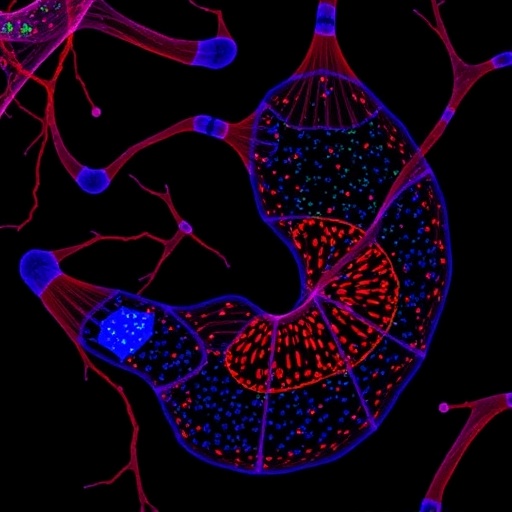
In a groundbreaking study poised to shift paradigms in cancer therapeutics, researchers have uncovered a novel target that could dramatically enhance the efficacy of cisplatin in treating diffuse gastric cancer (DGC). The study, conducted by Zhu, Ma, Li, and colleagues, meticulously delineates the role of glutathione peroxidase 2 (GPX2) in maintaining lipid homeostasis, revealing its pivotal influence on the chemosensitivity of gastric cancer cells. This discovery not only enriches our understanding of the metabolic intricacies within tumor microenvironments but also opens promising avenues for tailored interventions aimed at overcoming chemoresistance in one of the most lethal gastrointestinal malignancies.
Diffuse gastric cancer is notoriously challenging to treat due to its characteristic aggressiveness and frequent resistance to standard chemotherapy regimens like cisplatin. Cisplatin, a platinum-based compound, is a mainstay in gastric cancer treatment but often falls short as tumors develop mechanisms to evade its cytotoxic effects. The research under discussion sheds light on a previously underappreciated metabolic vulnerability linked to GPX2, an antioxidant enzyme that regulates cellular redox balance. By targeting GPX2, the team hypothesized that disrupting lipid metabolism would sensitize cancer cells to cisplatin-induced cell death, providing a dual-pronged attack on tumor viability.
The investigation embarked on a comprehensive molecular and cellular analysis, beginning with the confirmation of elevated GPX2 expression levels in diffuse gastric cancer tissues compared to adjacent normal gastric mucosa. Utilizing advanced immunohistochemistry and transcriptomic profiling, the researchers demonstrated a significant correlation between high GPX2 expression and poor patient prognosis, suggesting a contributory role of this enzyme in tumor progression and survival under chemotherapeutic stress. This clinical insight underscored the importance of GPX2 as a candidate target for enhancing chemotherapy efficacy.
To elucidate the functional role of GPX2, the study employed CRISPR-Cas9 gene editing and RNA interference techniques to knock down GPX2 expression in multiple diffuse gastric cancer cell lines. This genetic disruption revealed compelling phenotypic changes, notably an accumulation of lipid peroxides and a marked disturbance in cellular lipid homeostasis. The altered lipid profiles implicated GPX2 as a guardian against oxidative lipid damage, a critical process by which tumor cells maintain membrane integrity and energy balance. Crucially, GPX2-deficient cells exhibited heightened sensitivity to cisplatin treatment, undergoing increased apoptosis compared to GPX2-competent counterparts.
Further mechanistic insights were gleaned through lipidomics and metabolomics analyses, which uncovered that the loss of GPX2 function impaired the synthesis of key phospholipids and disrupted mitochondrial bioenergetics. The resultant mitochondrial dysfunction was accompanied by augmented reactive oxygen species (ROS) production and destabilization of the mitochondrial membrane potential, conditions known to potentiate cisplatin cytotoxicity. These findings provide a mechanistic framework whereby GPX2 acts as a linchpin in the metabolic adaptation of gastric cancer cells, facilitating survival amidst chemotherapeutic challenge.
In vivo validation utilized xenograft mouse models bearing human diffuse gastric cancer tumors with stable GPX2 knockdown. Treatment with cisplatin resulted in significantly suppressed tumor growth and prolonged survival compared to controls, confirming the translational potential of targeting GPX2 for therapeutic gain. The combination strategy surpassed the outcomes observed with cisplatin monotherapy, emphasizing the synergy between metabolic intervention and DNA-damaging agents. This effectively positions GPX2 inhibition as a promising adjuvant approach to enhance clinical responsiveness in patients with refractory disease.
The implications of this study extend beyond gastric cancer, as lipid metabolism and redox regulation are conserved hallmarks of many solid tumors. GPX2’s role in modulating oxidative damage to lipids places it at a critical intersection of cancer metabolism and chemotherapy resistance. Therapeutic targeting of GPX2 could therefore serve as a versatile strategy to disrupt tumor homeostasis and sensitize diverse cancer types to conventional therapies, addressing a major obstacle in oncology: treatment resistance.
Technology-wise, the study leveraged cutting-edge tools such as single-cell RNA sequencing to unravel tumor heterogeneity and capture the dynamic regulation of GPX2 across different tumor cell populations. This revealed subsets of cancer cells with pronounced GPX2 expression that are likely responsible for sustaining chemoresistant phenotypes. Moreover, innovative lipid reporter assays facilitated real-time monitoring of lipid peroxidation status, strengthening the causal relationship between GPX2 activity and lipid metabolic stability. These advanced methodologies underscore the sophistication of the experimental design and provide a roadmap for future investigations into metabolic targets in cancer.
From a therapeutic development standpoint, the study’s outcomes invigorate interest in designing pharmacological inhibitors of GPX2 or modulators that can destabilize its enzymatic activity. Given that GPX2 is an antioxidant enzyme with specific substrate preferences, selective targeting may be achievable with minimal off-target toxicity. Additionally, integrating GPX2-targeted agents with existing chemotherapeutics such as cisplatin could potentiate anti-tumor immune responses in the tumor microenvironment by increasing immunogenic cell death, potentially enhancing immunotherapy outcomes as well.
The clinical landscape for diffuse gastric cancer desperately needs innovative treatment modalities, as current survival rates remain dismal despite advances in surgery and systemic therapy. This study provides compelling evidence to reevaluate metabolic vulnerabilities and incorporate them into treatment algorithms. Future clinical trials assessing GPX2 inhibition combined with platinum-based chemotherapy may reveal a new standard of care that prolongs survival and improves quality of life for patients suffering from this aggressive cancer.
Moreover, the identification of GPX2 as a biomarker offers diagnostic and prognostic utility. Measuring GPX2 expression levels in biopsies could guide personalized treatment decisions, identifying patients most likely to benefit from cisplatin-based regimens augmented by GPX2-targeted drugs. Such precision medicine approaches are essential to maximize therapeutic success and minimize unnecessary toxicity, advancing the era of tailored oncology care.
The research team also speculated on potential resistance mechanisms that could arise upon GPX2 inhibition, advocating for combination therapies that anticipate and circumvent adaptive tumor responses. This preemptive approach to resistance emphasizes the complexity of targeting metabolic enzymes and highlights the need for continued mechanistic studies to ensure sustained clinical benefit.
In conclusion, this seminal work by Zhu and colleagues marks a transformative step in the fight against diffuse gastric cancer. By pinpointing GPX2’s central role in regulating lipid metabolism and chemo-resistance, the study paves the way for innovative strategies that enhance cisplatin efficacy and improve patient outcomes. As the oncology community grapples with the challenge of resistant tumors, metabolic targeting emerges as a formidable weapon, heralding a new chapter in cancer therapy.
Cite Scienmag News
Nathaniel Bowman. (October 27, 2025). Targeting GPX2 Boosts Cisplatin Response in Gastric Cancer. Scienmag. https://scienmag.com/targeting-gpx2-boosts-cisplatin-response-in-gastric-cancer/
Nathaniel Bowman. "Targeting GPX2 Boosts Cisplatin Response in Gastric Cancer." Scienmag, 27 October 2025, https://scienmag.com/targeting-gpx2-boosts-cisplatin-response-in-gastric-cancer/. Accessed 5 September 2026.
Nathaniel Bowman. "Targeting GPX2 Boosts Cisplatin Response in Gastric Cancer." Scienmag. October 27, 2025. https://scienmag.com/targeting-gpx2-boosts-cisplatin-response-in-gastric-cancer/


