


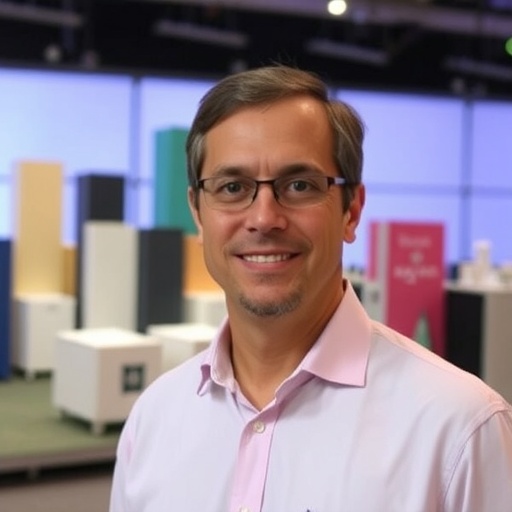
BOSTON, MA — August 14, 2026 — The global effort to turn aging biology into medical intervention is entering a more consequential phase, as researchers, pharmaceutical companies, biotechnology firms, clinicians, and investors prepare to gather in Boston for the 13th Aging Research & Drug Discovery (ARDD) Meeting. The event, scheduled for October 1–3 at the David Rubenstein Treehouse at Harvard University, will feature Adiv Johnson, Ph.D., Chief Scientific Officer at Tally Health, among its invited speakers. Organized by Insilico Medicine and the ARDD organizing committee, the meeting is expected to focus on how discoveries in the biology of aging can be converted into drug-development programs capable of extending healthy, disease-free years of life.
The announcement arrives as longevity research moves rapidly from an academic discipline into a highly financed biomedical sector. Aging is no longer viewed solely as an unavoidable background process that increases the risk of individual diseases. Instead, scientists increasingly describe it as a complex biological state shaped by interacting mechanisms, including genomic instability, epigenetic alterations, mitochondrial dysfunction, cellular senescence, chronic inflammation, impaired protein quality control, and the progressive loss of regenerative capacity. These mechanisms influence one another across tissues and organs, helping explain why cardiovascular disease, cancer, neurodegeneration, frailty, and metabolic disorders become more common with age. The central scientific challenge is determining which components of this network can be safely modified in humans.
At ARDD 2026, that challenge will be examined through the lens of translational medicine: the process of moving from molecular insight to measurable clinical benefit. A successful longevity intervention would need to do more than improve a laboratory marker or extend the lifespan of an experimental animal. It would have to demonstrate a meaningful effect on human health, such as delaying multiple age-associated diseases, preserving physical and cognitive function, or extending the period during which individuals remain independent. Researchers are therefore developing increasingly sophisticated methods to evaluate biological aging, including epigenetic clocks, proteomic profiles, immune-system measurements, imaging technologies, functional assessments, and composite indicators of physiological resilience. The usefulness of these biomarkers will ultimately depend on whether they predict clinical outcomes and respond reliably to treatment.
“The biology of aging has become one of the most promising frontiers in biomedical science,” said Vadim Gladyshev, Executive Chair of ARDD and Professor of Medicine at Harvard University. He emphasized that understanding the mechanisms of aging must be paired with the development of interventions that improve healthspan, the portion of life spent in good health. This distinction is critical. A therapy that increases survival without preserving mobility, cognition, or quality of life would offer limited value, while an intervention that delays several chronic diseases could transform preventive medicine. The field is consequently attempting to define new therapeutic endpoints and trial designs that can capture broad effects across the aging process without requiring decades of follow-up.
The conference will also reflect the growing involvement of major pharmaceutical companies, which are increasingly exploring whether aging-related mechanisms can become druggable targets. Large-scale drug discovery depends on identifying biological pathways that can be modified with sufficient precision and safety. Potential strategies include eliminating senescent cells that accumulate inflammatory signals, restoring impaired mitochondrial function, modulating nutrient-sensing pathways, improving DNA repair, reducing chronic inflammation, enhancing cellular recycling through autophagy, and using regenerative approaches to maintain tissue function. Each approach carries substantial scientific risks. Aging is not governed by a single switch, and pathways that promote tissue repair or growth early in life may contribute to cancer or metabolic dysfunction when activated excessively later in life.
ARDD Co-Chair Morten Scheibye-Knudsen, Associate Professor at the University of Copenhagen, said the meeting’s relocation to Boston represents a new chapter for the event by placing it within one of the world’s most concentrated biomedical innovation ecosystems. The region’s universities, hospitals, biotechnology companies, pharmaceutical laboratories, venture-capital firms, and research institutes create an environment in which discoveries can move quickly between basic science and clinical development. That proximity is particularly important for longevity research, where the most promising ideas often emerge from fields that have traditionally operated separately, including genetics, gerontology, immunology, oncology, neuroscience, metabolism, data science, and drug development.
Artificial intelligence is expected to remain an important part of this convergence. Machine-learning systems can analyze large collections of genomic, transcriptomic, proteomic, imaging, and clinical data to identify patterns associated with biological aging and disease risk. In drug discovery, generative models can propose new molecular structures, predict how compounds may interact with biological targets, and help prioritize experiments. Insilico Medicine, which officially organizes the 2026 meeting, has positioned artificial intelligence as a central component of its approach to pharmaceutical research. However, computational predictions still require rigorous laboratory validation, toxicology testing, and controlled clinical trials. The speed of algorithmic design does not remove the biological complexity of aging or the regulatory standards required for human medicines.
The 2026 meeting is anchored by Tier 1 sponsors Insilico Medicine and Eli Lilly, with the McKinsey Health Institute serving as Sole Knowledge Partner. Additional sponsors include AbbVie, AniVC, AstraZeneca, BioAge Labs, Biocytogen, Cambrian Bio, Cyclarity Therapeutics, Dior, GlycanAge, Gordian Biotechnology, Human Longevity, the Institute for Healthier Living Abu Dhabi, LongeVC, Maxwell Biosciences, Nestlé, Tally Health, TruDiagnostic, Synaro Capital, The Cat Health Company, PranaGen Bioscience, Estée Lauder, Morgan Stanley, the Intrinsic Capacity Frailty & Sarcopenia Research Conference for Healthy Longevity, and QuadraScope. The breadth of this participation illustrates how longevity science now intersects with pharmaceuticals, diagnostics, nutrition, consumer health, finance, artificial intelligence, and preventive-care services.
Alex Zhavoronkov, Ph.D., Co-Chair of ARDD and CEO of Insilico Medicine, described the meeting as a platform for dialogue among academia, pharmaceutical companies, startups, and investors. That dialogue may become increasingly important as the field confronts questions that cannot be answered by laboratory science alone. Investigators must determine which biomarkers are acceptable to regulators, how clinical trials should select participants, whether interventions should target healthy adults or individuals already showing functional decline, and how long-term safety should be monitored. Investors and companies, meanwhile, must distinguish between biologically plausible programs and products supported by reproducible human evidence. These decisions will shape whether longevity biotechnology develops into a durable medical discipline or remains dominated by unverified claims.
The ARDD Meeting, now in its 13th year, is described as the world’s largest gathering dedicated to aging and longevity biotechnology. Its 2026 edition will bring together researchers, clinicians, biotechnology and pharmaceutical leaders, entrepreneurs, investors, and policymakers to examine the path from fundamental discoveries to practical research and development programs. The Nordic Aging Society, a nonprofit scientific organization focused on the biology of aging and collaboration across the Nordic region and beyond, is supporting the event. As the meeting approaches, the attention surrounding it reflects a broader shift in medicine: aging is increasingly being studied not simply as a statistic or an inevitable decline, but as a biological process whose consequences may be delayed, measured, and potentially modified through carefully tested interventions.
News Publication Date: August 14, 2026
Web References: agingpharma.org
Cite Scienmag News
Beatrice Stafford. (August 15, 2026). Tally Health Chief Scientist Adiv Johnson to Present at Boston’s ARDD Meeting. Scienmag. https://scienmag.com/tally-health-chief-scientist-adiv-johnson-to-present-at-bostons-ardd-meeting/
Beatrice Stafford. "Tally Health Chief Scientist Adiv Johnson to Present at Boston’s ARDD Meeting." Scienmag, 15 August 2026, https://scienmag.com/tally-health-chief-scientist-adiv-johnson-to-present-at-bostons-ardd-meeting/. Accessed 3 September 2026.
Beatrice Stafford. "Tally Health Chief Scientist Adiv Johnson to Present at Boston’s ARDD Meeting." Scienmag. August 15, 2026. https://scienmag.com/tally-health-chief-scientist-adiv-johnson-to-present-at-bostons-ardd-meeting/


