


Drying Methods Alter Cannabis Terpene Content While Preserving Major Cannabinoids
Controlled drying methods significantly impact cannabis terpenes and visual quality while leaving cannabinoid concentrations relatively stable.
Controlled drying methods significantly impact cannabis terpenes and visual quality while leaving cannabinoid concentrations relatively stable.

A scientific review highlights how cannabis-derived terpenes and minor cannabinoids modulate nociceptive pain signalling through pathways distinct from classical cannabinoid ...

Thermal processing transforms supercritical Gardenia fruit oil from fresh, grassy, and sweet notes into rich nutty, cocoa, and malty aromas ...

A newly published editorial in Frontiers in Neuroscience details preclinical and clinical strategies to optimize cannabinoid dosing and therapeutic efficacy ...

A new review synthesizes how drought, light, temperature, nutrients and hormones physiologically and molecularly regulate cannabinoid and terpene biosynthesis in ...

A mixture-design study found that an optimized blend of p-cymene, thymol, and β-ionone achieved a predicted ferric-reducing antioxidant EC50 of ...
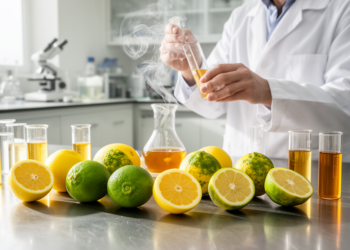
Selected lemon and lemon-like genotypes differed markedly in acidity, soluble solids, phenolic content, antioxidant activity and volatile aroma compounds, with ...
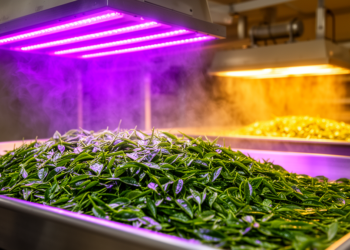
A light-vibration pretreatment combined with 75 °C drying significantly raised total volatile emissions and shifted green tea aroma toward floral ...

A new review in Molecular Biology Reports argues that plant-derived terpenes and terpenoids may modulate TRPV ion channels to influence ...
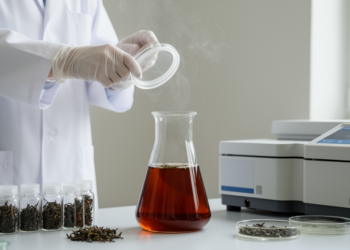
A new flavoromics and molecular docking study identifies the volatile and non-volatile compounds that distinguish the betelnut, stale, ginseng, and ...


Embark on a thrilling journey of discovery with Scienmag.com—your ultimate source for cutting-edge breakthroughs. Immerse yourself in a world where curiosity knows no limits and tomorrow’s possibilities become today’s reality!