


Microbial amendments cut soil salt and lift carbon in degraded Haryana fields
A field trial across three Haryana sites found that organic substrates inoculated with indigenous salt-tolerant bacteria significantly reduced soil salinity ...
A field trial across three Haryana sites found that organic substrates inoculated with indigenous salt-tolerant bacteria significantly reduced soil salinity ...
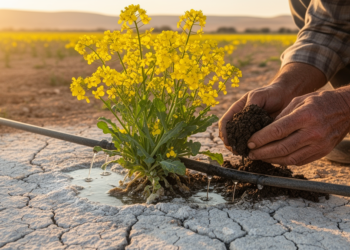
In a two-year Jordanian field trial, 48 rapeseed accessions irrigated with saline water and treated wastewater produced up to 4.49 ...
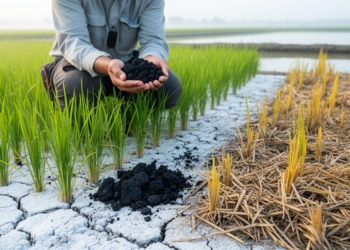
A two-year field trial in saline-sodic paddies found straw-derived biochar outperformed direct straw return in reducing sodium stress and raising ...

A 20-year study of northeastern Iran used satellite-derived vegetation, salinity, and groundwater indicators to identify a 2015 breakpoint and early ...
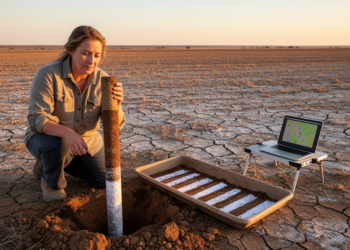
A study in Shandong Province, China, used quantile regression forests to map soil salinity across five depth intervals down to ...
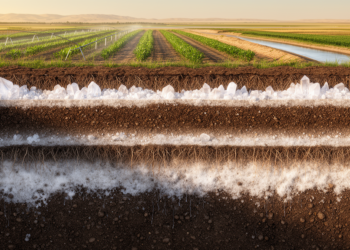
A 2025 field study across 15 sites found that soil moisture and salinity relationships were weak and varied with depth ...
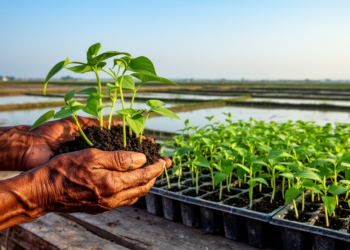
A screening study at Patuakhali, Bangladesh identifies snake bean, cucumber, and gima kalmi as promising salt-tolerant crops at the germination ...
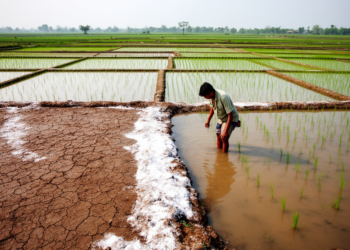
Two-year field trials in coastal Bangladesh found that alternate wetting and drying conserved irrigation water and improved water productivity, but ...
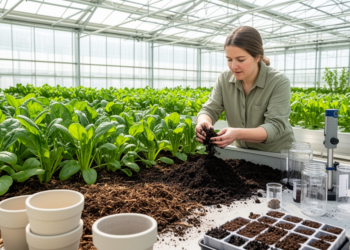
A 50-day greenhouse study found that biologically treated wastewater met irrigation standards and altered spinach soil chemistry and bacterial communities.
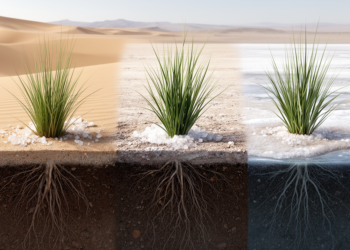
A field comparison found that Panicum turgidum growing in saline desert habitats combined osmotic adjustment, antioxidant accumulation and controlled ion ...


Embark on a thrilling journey of discovery with Scienmag.com—your ultimate source for cutting-edge breakthroughs. Immerse yourself in a world where curiosity knows no limits and tomorrow’s possibilities become today’s reality!