


Iron Oxides Control How Bacterial Slime Persists in Soils
A new study finds that bacterial extracellular polymeric substances persist in soils mainly through microbial priming and subsequent binding to ...
A new study finds that bacterial extracellular polymeric substances persist in soils mainly through microbial priming and subsequent binding to ...
A controlled incubation study reports that persistent free radicals on biochar surfaces redirect straw-derived carbon toward mineral-associated organic matter in ...

A study of twelve Australian soils finds that a pre-incubation period of roughly 10 to 14 days after rewetting allows ...
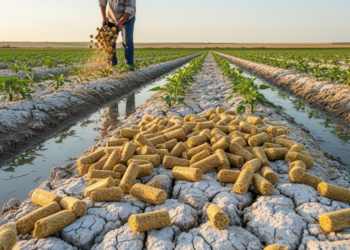
A 90-day incubation study found that pelletized straw reduced nitrous oxide emissions by up to 45.7% while changing ammonia-oxidizing bacterial ...

A 60-day incubation study found that combining the bacterium Enterobacter wuhouensis with waste mica and farmyard manure raised plant-available potassium ...
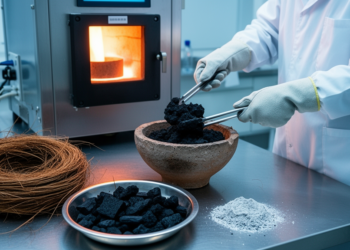
A laboratory study of coconut-frond biochar found that 350 °C maximized carbon recovery, while 550 °C produced a more ordered, ...
A controlled incubation study finds that soil degradation level and timing, not fertilizer dose, govern nutrient release and heavy metal ...
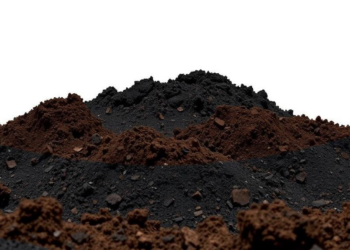
A new magnetic separation method shows that increases in particulate organic carbon after straw and biochar application largely reflect undecomposed ...
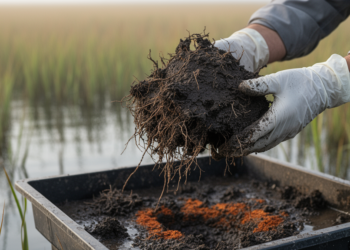
A new modelling study shows that collapsing patchy rhizosphere oxygen in tidal marsh soils into a single average value overestimates ...

A new incubation and modelling study shows that the popular two-pool framework of particulate and mineral-associated soil carbon misses a ...


Embark on a thrilling journey of discovery with Scienmag.com—your ultimate source for cutting-edge breakthroughs. Immerse yourself in a world where curiosity knows no limits and tomorrow’s possibilities become today’s reality!