

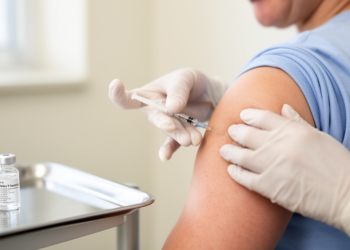
Subcutaneous live flu injection protected mice at 277 days without detectable lung virus
A mouse study found 100% survival at 277 days after a single subcutaneous live influenza injection, with no detectable infectious ...
A mouse study found 100% survival at 277 days after a single subcutaneous live influenza injection, with no detectable infectious ...

Infected wounds are among the most stubborn problems in modern medicine. When the skin barrier is breached, bacteria colonize the ...
When a wound refuses to heal, clinicians often have little more than a ruler and a cotton swab to judge ...
A new editorial in Frontiers in Photobiology argues that skin's response to light extends far beyond sunburn and DNA damage, ...
The concept of a wireless skin that can survive the realities of daily wear rests on a deceptively simple observation ...
An exploratory analysis of health records from 2,333 people reporting sensitive skin found that one-third carried diagnoses of altered skin ...
Whole-genome sequencing of mouse skin shows that aging and partial reprogramming converge on PRC2 target genes, where methylation entropy rises ...
A new international study combining clinical data and global pharmacovigilance databases shows that dermatologic side effects of the breast cancer ...
Scientists show that skin cells naturally share mitochondria under ultraviolet stress and that transplanted stem-cell mitochondria can speed wound healing ...
A new Nature Communications study shows that LGR5-positive fibroblasts coordinate how skin adapts to mechanical stress through JAK1-dependent signaling pathways.

Embark on a thrilling journey of discovery with Scienmag.com—your ultimate source for cutting-edge breakthroughs. Immerse yourself in a world where curiosity knows no limits and tomorrow’s possibilities become today’s reality!