

Blended preschool games show preliminary working-memory group difference
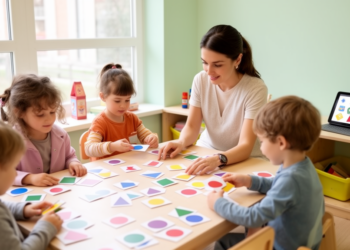
A quasi-experimental study of 76 preschoolers found an adjusted group difference on one working-memory updating measure after seven weeks of ...
A quasi-experimental study of 76 preschoolers found an adjusted group difference on one working-memory updating measure after seven weeks of ...

A large matched longitudinal study in Moscow found that children who lived through Russia's six-month COVID-19 lockdown gained far less ...
A new study finds that in autistic preschoolers, symbolic number comparison fully mediates the link between approximate number system acuity ...
When preschoolers look at picture books without any words, some illustrations make a story feel instantly understandable while others leave ...
Empathy has long been described as the social glue of human relationships, the capacity that allows children to sense another ...
A nationwide Japanese birth cohort study of 903 children found that having older siblings strongly reduces the odds of a ...
A Dutch validation study shows the My Little Moves app reliably measures sleep, sedentary behavior, and physical activity in children ...
A ten-week family routines program in Ankara improved preschoolers' executive function skills, fostered autonomy-supportive parenting, and reduced mothers' stress, with ...
New research in Nature Human Behaviour shows that boys, but not girls, develop a preference for larger, more formidable groups ...
A study of nearly 500 Australian four-year-olds finds that the pattern in which preschoolers accumulate light, moderate, and vigorous activity ...

Embark on a thrilling journey of discovery with Scienmag.com—your ultimate source for cutting-edge breakthroughs. Immerse yourself in a world where curiosity knows no limits and tomorrow’s possibilities become today’s reality!