

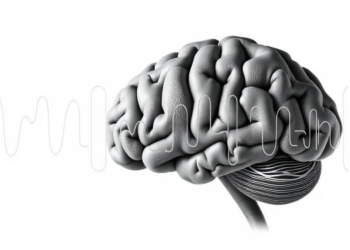
Millisecond Timing in Sound: How Brains from Rats to Humans Decode Rapid Click Patterns
A cross-species study in PLOS Biology shows that click trains with identical mean rates but different millisecond-scale temporal patterns evoke ...
A cross-species study in PLOS Biology shows that click trains with identical mean rates but different millisecond-scale temporal patterns evoke ...

A new PLOS Biology study shows that unconscious motor learning relies on two distinct implicit mechanisms, one for selecting actions ...

A Lund University wind tunnel study shows that the European nightjar's broad wings aid slow hunting flight but reduce lift ...
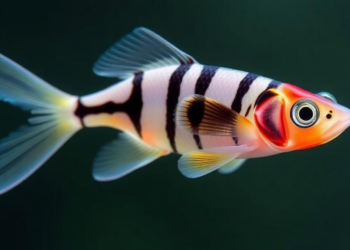
New research in PLOS Biology shows that zebrafish embryos activate regeneration programs in response to genetic developmental defects, partially buffering ...

New research shows that lithium ions competitively block the sodium-dependent activation of eukaryotic fluoride exporter channels, constricting their pores and ...

A decades-long study of Dutch great tits shows that post-selective immigration, not selection alone, governs whether clutch size evolves or ...
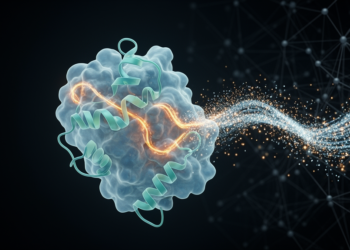
A new graph neural network framework called AlloPool distills molecular dynamics simulations into minimal, time-resolved interaction networks that reveal how ...

A new PLOS Biology study shows that the mechanosensitive ion channel Piezo1 allows oligodendrocytes to sense axon diameter and locally ...
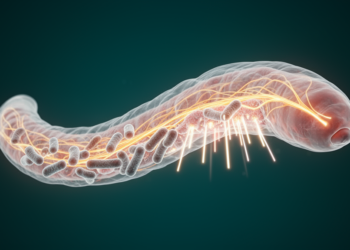
Researchers discovered that the bacterium Pseudomonas aeruginosa exploits neuronal signaling in C. elegans to impair lysosomal function and disrupt collagen ...

A coordinated P450 and UGT33 detoxification cascade allows the generalist moth Helicoverpa armigera to tolerate furanocoumarin plant toxins, while its ...


Embark on a thrilling journey of discovery with Scienmag.com—your ultimate source for cutting-edge breakthroughs. Immerse yourself in a world where curiosity knows no limits and tomorrow’s possibilities become today’s reality!