


Cameroon Peanut Study Links Farming Practices to Aflatoxin Risk
Researchers in Cameroon have identified a significant link between specific agricultural production systems and the levels of aflatoxin B1 contamination ...
Researchers in Cameroon have identified a significant link between specific agricultural production systems and the levels of aflatoxin B1 contamination ...

Food scientists have formulated a plant-based therapeutic food from soybean, Bambara groundnut, and sorghum that meets international protein quality standards ...
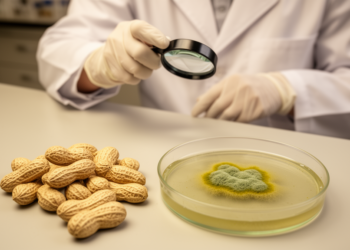
A new narrative review concludes that peanut genotypes resistant to aflatoxin in laboratory tests lose their advantage without rapid drying ...
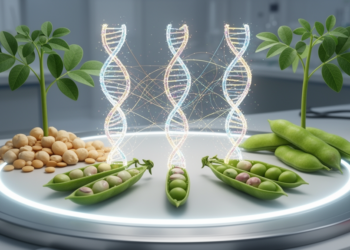
A four-species genome analysis identified 540 legume GST genes, characterized their expansion and regulatory sequences, and examined expression under stress ...

An experimental study reports that inoculating peanut with Tsukamurella tyrosinosolvens P9 improved drought tolerance, post-drought recovery and maturation-stage pod yield ...
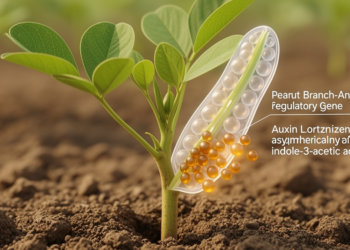
An experimental study in peanut identified AhPILS as a gene that regulates lateral-branch growth through asymmetric auxin transport and cell ...
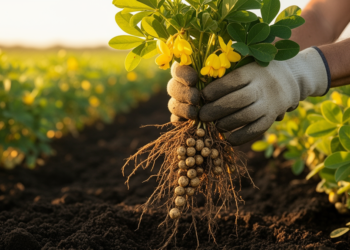
A new review synthesizes the physiological and genetic factors regulating season-long biological nitrogen fixation in peanut, proposing a breeding framework ...
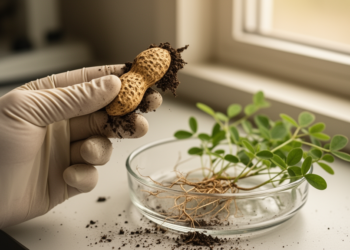
A new literature-based comparative analysis compiles karyological data from 86 taxa across nine sections of the peanut genus Arachis, revealing ...
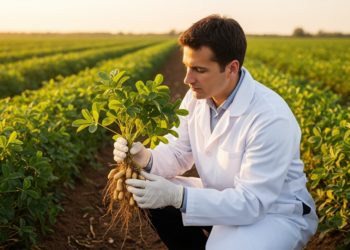
Researchers mapped haplotype-based QTL-allele systems for peanut kernel and pod weight and predicted thirty optimal crosses that could push both ...
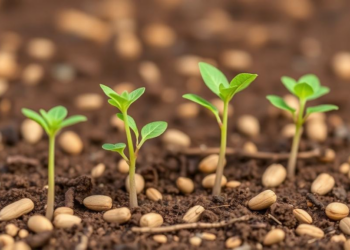
Integrated transcriptome and metabolome analysis reveals that peanut seedlings under toxic selenium levels ramp up the phenylpropanoid biosynthesis pathway, with ...


Embark on a thrilling journey of discovery with Scienmag.com—your ultimate source for cutting-edge breakthroughs. Immerse yourself in a world where curiosity knows no limits and tomorrow’s possibilities become today’s reality!