


New framework synchronizes Miocene ocean temperature records
Researchers have developed a consistent chronological framework and open database to synchronize Miocene ocean temperature records, improving the accuracy of ...
Researchers have developed a consistent chronological framework and open database to synchronize Miocene ocean temperature records, improving the accuracy of ...

Radiocarbon dating of planktonic foraminifera from Bellingshausen Sea sediment cores dates warm-interval layers to Marine Isotope Stage 3 rather than ...

Forward modeling and core-top measurements show individual planktonic foraminifera oxygen isotopes reliably capture seasonal monsoon shifts and interannual Indian Ocean ...

Nitrogen isotope records from fossil foraminifera indicate that reduced biological pump efficiency in the Southern Ocean released deep-sea carbon and ...

Nanoscale isotopic imaging reveals that benthic foraminifera build their calcitic shells by tightly regulating seawater sulfate, magnesium, and amorphous mineral ...
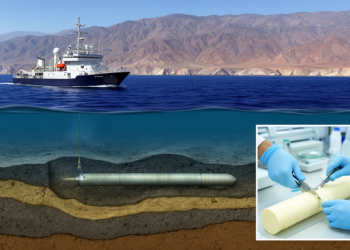
A 160-year sediment record from San Lazaro Basin shows that fossil fuel carbon began measurably invading the surface waters of ...
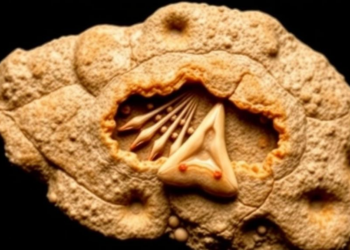
Fossil fish teeth and marine barite records show that pelagic fish productivity and carbon export rose together during the Paleocene-Eocene ...
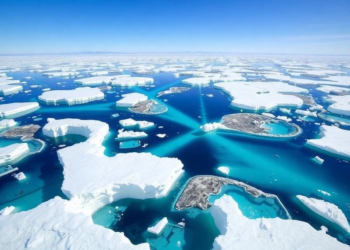
New beryllium isotope evidence from seafloor sediments shows that the Arctic Ocean and Nordic Seas were repeatedly cut off from ...
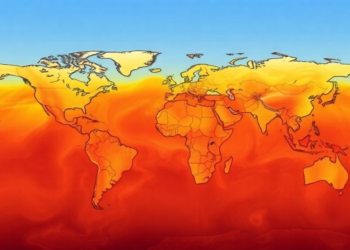
A new model-data synthesis of benthic foraminiferal oxygen isotopes indicates the Miocene Climatic Optimum was about 7.5 degrees Celsius warmer ...
A continuous Argentine sediment record shows that after the K–Pg extinction, opportunistic foraminifera dominated the ocean before a 1.5 °C ...


Embark on a thrilling journey of discovery with Scienmag.com—your ultimate source for cutting-edge breakthroughs. Immerse yourself in a world where curiosity knows no limits and tomorrow’s possibilities become today’s reality!