


Histone Marks May Hold Alzheimer’s Inflammation in a Persistent State
A new review proposes that histone post-translational modifications sustain neuroinflammation in Alzheimer's disease by encoding pathological immune memory in chromatin.
A new review proposes that histone post-translational modifications sustain neuroinflammation in Alzheimer's disease by encoding pathological immune memory in chromatin.

Researchers identified trauma-associated microglia that persist chronically after mouse traumatic brain injury and drive exaggerated inflammatory responses and tissue damage.

A 5 Tesla MRI study of 32 patients with major depressive disorder and 35 healthy controls found weaker blood-oxygen and ...

A new study reports that CADM3 expression drops in human Alzheimer's brains and that its genetic loss worsens amyloid deposition, ...

Preclinical studies show the mitochondrial peptides humanin and MOTS-c reduce pain across multiple animal models by restoring mitochondrial function, suppressing ...
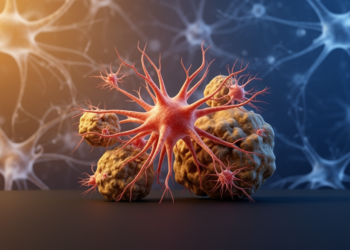
A new review maps how next-generation therapies targeting the brain's resident immune cells could reshape Alzheimer's disease treatment beyond amyloid-centric ...
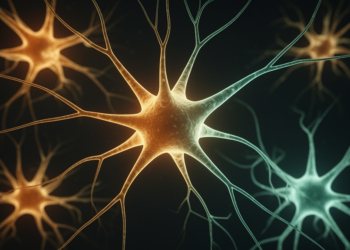
Patient-derived astrocytes and human brain slice models reveal water-transport, immune and cytoskeletal abnormalities linked to CDKL5 loss.
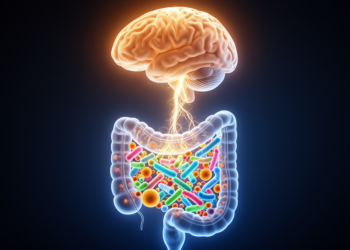
A new review links gut microbial imbalances to Alzheimer's, Parkinson's, Huntington's and ALS through inflammation, metabolites and the gut–brain axis.
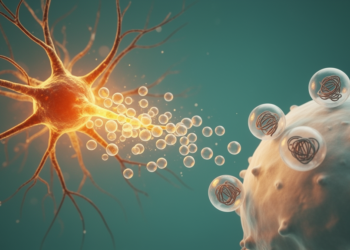
An in vitro study found that LPS-stimulated microglia enriched miR-155 and increased miR-34a in donor cells and their extracellular vesicles, ...
A PRISMA-guided scoping review of 40 studies argues that astrocytes act as early, active contributors to chronic traumatic encephalopathy rather ...


Embark on a thrilling journey of discovery with Scienmag.com—your ultimate source for cutting-edge breakthroughs. Immerse yourself in a world where curiosity knows no limits and tomorrow’s possibilities become today’s reality!