

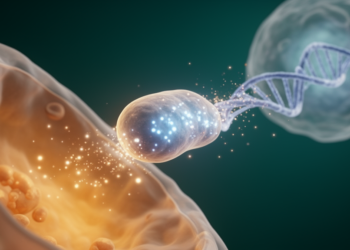
Cells May Glow With Purpose: Biophotons Proposed as a Hidden Language Between Mitochondria and DNA
A new hypothesis paper proposes that ultra-weak photons emitted by mitochondria are absorbed and re-emitted by nuclear chromatin, forming a ...
A new hypothesis paper proposes that ultra-weak photons emitted by mitochondria are absorbed and re-emitted by nuclear chromatin, forming a ...
A new mini-review in Frontiers in Aging synthesizes evidence that brain mitochondrial decline with age is sex- and region-specific, and ...
Rima Kaddurah-Daouk of UTHealth Houston has received a five-year, $12 million National Institute on Aging grant to study how mitochondrial ...
A porcine study shows that combining moderate therapeutic hypothermia with mechanical left ventricular unloading preserves function, mitochondria, and calcium handling ...
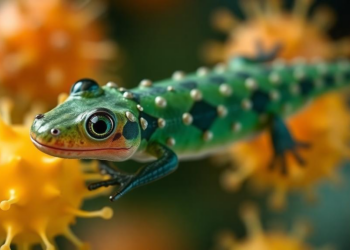
Researchers have engineered salamander-inspired gold-silver nanocages that cascade-target injured kidney cells and their mitochondria, delivering the antioxidant idebenone while enabling ...
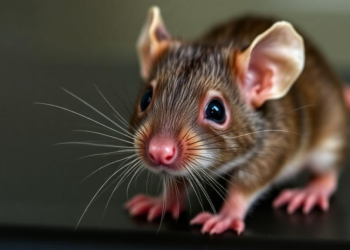
A new mouse study shows that neonatal overfeeding disrupts gut mucus development and depletes Akkermansia muciniphila, accelerating age-related muscle wasting ...
A new review argues that the endocannabinoid 2-arachidonoylglycerol acts as a central signaling hub linking appetite, fat storage, insulin resistance, ...
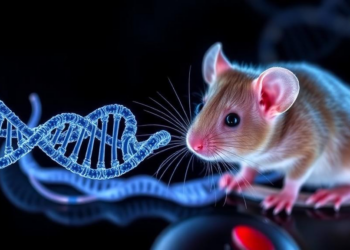
Scientists have identified a mitochondria-localized circular RNA, named BRAKE, that disrupts ATP synthase assembly to restrain fat cell formation and ...
A translational study links disrupted TCA cycle metabolites to fatigue and reduced motivation in obesity, with brain-region-specific findings in mice.
New research reports that people actively treated with antidepressants show about 12.5 percent lower oxidative DNA damage than untreated individuals, ...


Embark on a thrilling journey of discovery with Scienmag.com—your ultimate source for cutting-edge breakthroughs. Immerse yourself in a world where curiosity knows no limits and tomorrow’s possibilities become today’s reality!