

AI Learns to Decode the Chemistry Hidden in Sinking Ocean Particles
A University of Rhode Island-led, NSF-funded project will test whether artificial intelligence can predict the chemical composition of marine snow ...
A University of Rhode Island-led, NSF-funded project will test whether artificial intelligence can predict the chemical composition of marine snow ...
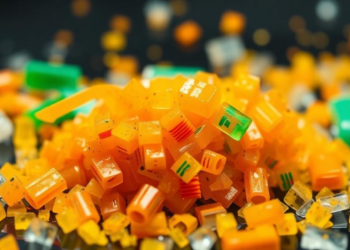
A new study shows that plastic particles become chemically rougher, more oxidized, and more biologically reactive as mechanical fragmentation shrinks ...
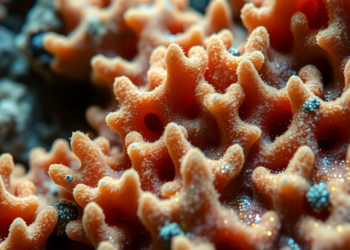
For the first time, scientists have documented hexagonal PET glitter particles ingested by corals on the remote Trindade and Martim ...
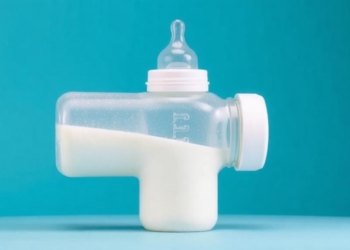
A scoping review of 27 studies finds that infant formula and plastic feeding bottles can expose babies to millions of ...

A 28-day experiment on the water lily Nymphaea 'Black Beauty' shows that polypropylene microplastics reshape how plants accumulate copper, triggering ...
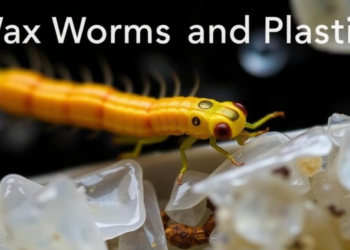
A new review of greater wax moth larvae finds compelling but incomplete evidence that the insects and their gut microbes ...
A new review in Plant and Soil unifies how fertilizers, pesticides, heavy metals, microplastics and emerging contaminants regulate greenhouse gas ...
New microcosm experiments show that marine nematodes sequester microplastics only at very high particle densities, with opportunistic non-selective feeders doing ...
A survey of 45 artificial groynes in Mar del Plata recorded 2,146 fishing-related debris items, with recreational anglers identified as ...
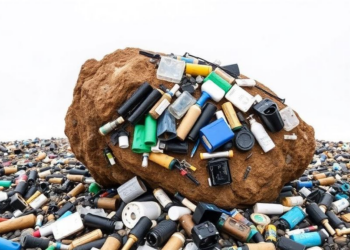
Researchers report the first evidence of plastistone, a plastic-rock composite formed from discarded nylon fishing gear, on the Maharashtra coast ...


Embark on a thrilling journey of discovery with Scienmag.com—your ultimate source for cutting-edge breakthroughs. Immerse yourself in a world where curiosity knows no limits and tomorrow’s possibilities become today’s reality!