


Kaolin Clay Feed Additive Reduces Cattle Rumen Methane Emissions In Vitro
An in vitro study found that supplementing cattle diet with kaolin clay reduced enteric methane production by approximately 21 percent ...
An in vitro study found that supplementing cattle diet with kaolin clay reduced enteric methane production by approximately 21 percent ...

A metatranscriptome study in Mehsani buffalo reveals that green roughage diets significantly stimulate rumen microbial metabolic pathways and suppress methanogenesis ...
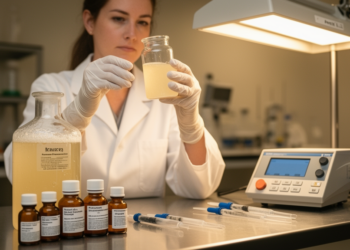
A laboratory study found that the stilbene compounds pterostilbene and pinostilbene reduced ruminal methane production without broadly suppressing measured fermentation, ...

A global analysis of 904 metagenomes shows that methanogenic pathway potential across soils and sediments is tied to environmental gradients ...

A laboratory study of Ruminococcus albus 7 with four Methanobrevibacter strains reveals partner-specific shifts in hydrogen metabolism, biofilm genes and ...
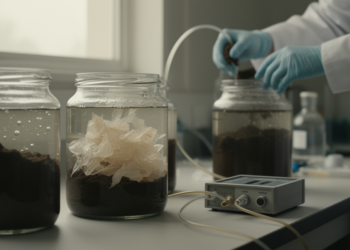
A laboratory study finds that the water-soluble polymer PVP accelerates methane production in freshwater sediments and shifts bacterial communities, with ...
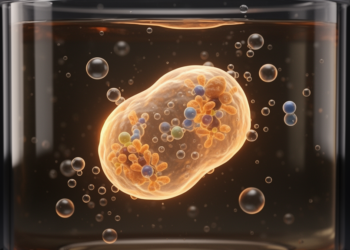
A pure-culture study of an archaeon from a Chinese petroleum reservoir shows that fatty-acid oxidation can be coupled directly to ...
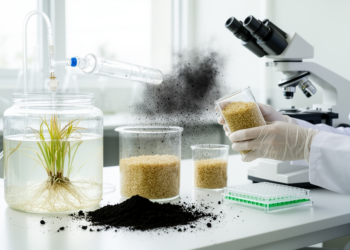
A controlled microcosm and greenhouse rice study found that microscale zero-valent iron reduced arsenic in grain by 34% while increasing ...
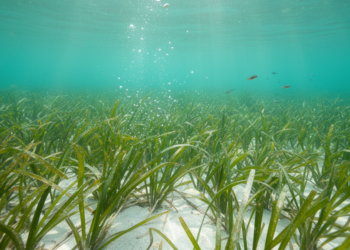
A year-long study of a tropical seagrass meadow in Taiwan finds that its sediments produce methane steadily, yet nearly all ...
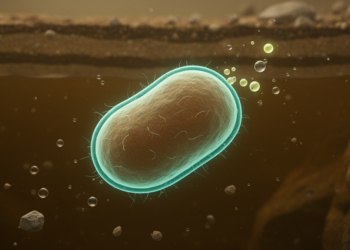
Scientists have isolated Methanothermobacter tomskensis sp. nov., a novel hydrogenotrophic methanogen dominating a 2.7-kilometer-deep thermal aquifer in Western Siberia, revealing ...


Embark on a thrilling journey of discovery with Scienmag.com—your ultimate source for cutting-edge breakthroughs. Immerse yourself in a world where curiosity knows no limits and tomorrow’s possibilities become today’s reality!