


New Mesoscale Model ACFIRE Successfully Simulates Forest Fire-Atmosphere Interactions
A new research model, ACFIRE 1.0, demonstrates the ability to simulate two-way fire-atmosphere interactions by coupling a mesoscale atmospheric model ...
A new research model, ACFIRE 1.0, demonstrates the ability to simulate two-way fire-atmosphere interactions by coupling a mesoscale atmospheric model ...

A perspective highlights how atomistic simulations reveal unexpected dynamical behaviors in non-equilibrium materials while balancing microscopic detail with engineering models.

A mesoscale numerical study reveals that optimizing steel fiber content, yield strength, and aspect ratio substantially retards fatigue crack propagation ...

Researchers evaluating the July 2021 European floods found that background error covariance formulations govern whether assimilating satellite delay observations improves ...

A multi-year validation across six offshore wind farms shows that mesoscale models estimate energy yield within five percent when individual ...
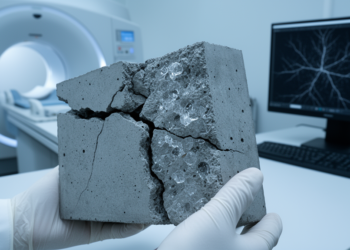
Researchers combined rapid freeze–thaw testing, CT scanning and finite element simulation to track mesoscale damage in concrete, finding pore surface ...
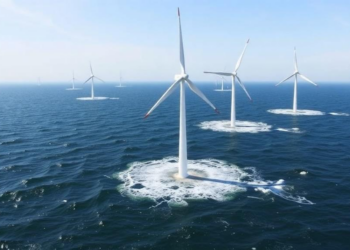
A three-year, one-kilometer-resolution weather simulation of the North Sea's largest offshore wind farm cluster, validated with four lidars and Sentinel-1 ...

A new cross-scale study shows that 1% polypropylene or PVA fibers dramatically improve concrete's freeze–thaw durability, with PVA's stronger bond ...
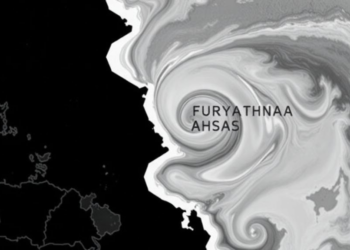
A new study compares the WRF and MPAS-A atmospheric models in simulating the violent October 2024 windstorm that struck São ...
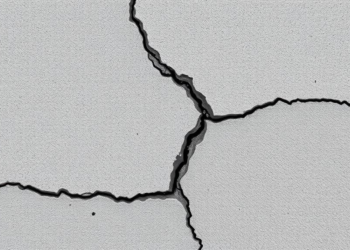
A validated ultrasonic phase reversal technique measures concrete crack depth accurately even when cracks are filled with water, sand, or ...


Embark on a thrilling journey of discovery with Scienmag.com—your ultimate source for cutting-edge breakthroughs. Immerse yourself in a world where curiosity knows no limits and tomorrow’s possibilities become today’s reality!