

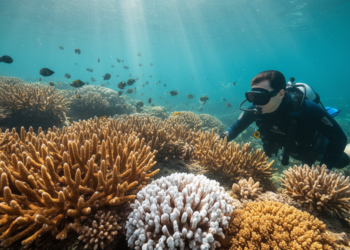
Coral Reef Resilience Is Context, Not Cover: New Research Reshapes Conservation
A new Frontiers collection shows that coral reef resilience depends on habitat history, symbiosis and spatial structure rather than coral ...
A new Frontiers collection shows that coral reef resilience depends on habitat history, symbiosis and spatial structure rather than coral ...
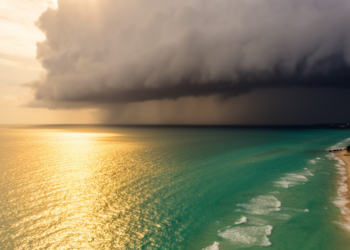
A 43-year analysis of South Florida coastal waters shows marine heatwaves intensifying sharply while major hurricane frequency remains highly variable, ...
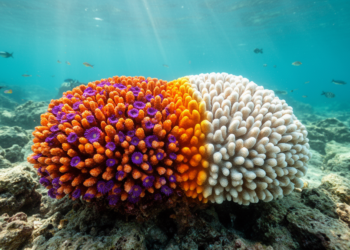
New research shows that brief physical contact between healthy and bleached corals can transfer symbiotic algae through tissue fusion, restoring ...
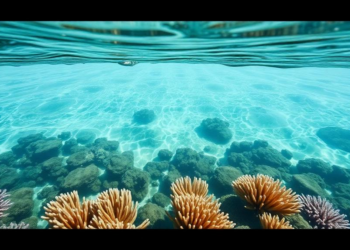
A 17-month observational study reveals that tides dominate currents around Sir Bu Nair Island while winds and low-frequency circulation control ...
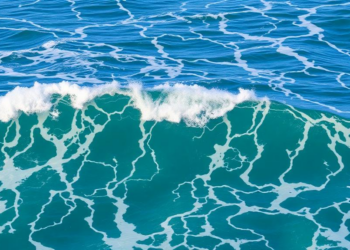
New research shows that doldrums over the Great Barrier Reef arise when stalled Rossby waves, tropical oscillations and dry mid-latitude ...
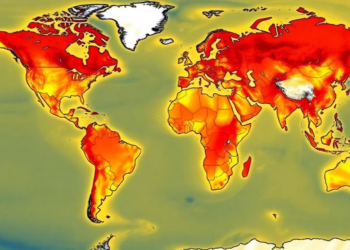
A new 43-year global database applies ten different marine heatwave definitions in parallel, revealing how methodological choices reshape our picture ...
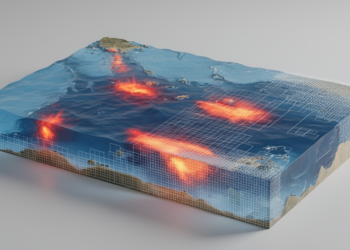
A systematic evaluation of Med-CORDEX regional climate models shows they reliably improve Mediterranean sea surface temperature patterns and marine heatwave ...
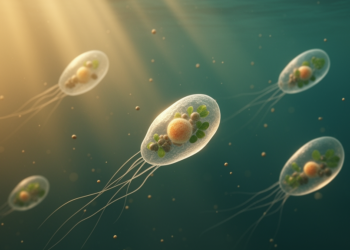
A new study shows that combined warming and nutrient-poor diets affect marine protists in species-specific ways, with dinoflagellates proving more ...
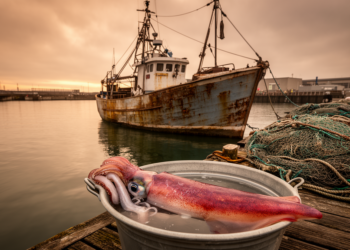
A three-decade analysis links the collapse of the Japanese flying squid fishery in the East Sea to long-term warming, marine ...
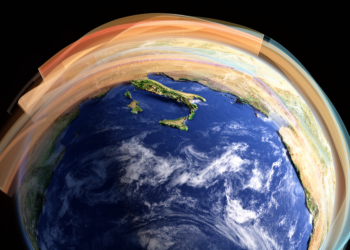
Scientists have unveiled MESMAR-R, the first coupled atmosphere-ocean-hydrology reanalysis of the Mediterranean, reconstructing 32 years of rapid warming, salinification, and ...


Embark on a thrilling journey of discovery with Scienmag.com—your ultimate source for cutting-edge breakthroughs. Immerse yourself in a world where curiosity knows no limits and tomorrow’s possibilities become today’s reality!