

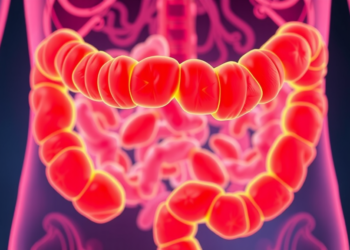
Common ‘Forever Chemical’ PFNA Found to Ignite Gut Inflammation at Tiny Doses
New research shows that low-dose exposure to the forever chemical PFNA worsens intestinal inflammation by activating a caspase-11-dependent NLRP3 inflammasome ...
New research shows that low-dose exposure to the forever chemical PFNA worsens intestinal inflammation by activating a caspase-11-dependent NLRP3 inflammasome ...

New research shows that two splice variants of estrogen receptor alpha, ERα66 and ERα46, exert opposing, cell-type-specific and potentially sex-specific ...
A new study identifies adrenomedullin released from the injured spinal cord as the molecular trigger that drives abnormal bone formation ...
KAIST researchers developed NUDGE, a computational framework that redirects cell fate with a single temporary intervention by harnessing the natural ...
New research shows that the SIRT1-FOXO1 signaling axis acts as a molecular brake on excessive mitophagy and glycolytic metabolism in ...
By combining single-cell RNA sequencing with Visium HD spatial transcriptomics, researchers have built the first spatially resolved atlas of immune ...
New research shows that macrophages can transfer functionally active proteins from engulfed live cells onto their own surface rather than ...
A refined experimental model of metabolic dysfunction-associated steatohepatitis-driven liver cancer identifies macrophage Gadd45b as a central regulator of inflammation-driven tumor ...
Researchers repurposed the approved drugs talazoparib, tivozanib and isradipine as candidate inhibitors of VAV2 signaling that reduced oxidized LDL uptake ...
Researchers found that the nerve repair protein NINJ2 protects mice from inflammatory bowel disease by suppressing ZBP1-driven PANoptosis in macrophages.

Embark on a thrilling journey of discovery with Scienmag.com—your ultimate source for cutting-edge breakthroughs. Immerse yourself in a world where curiosity knows no limits and tomorrow’s possibilities become today’s reality!