

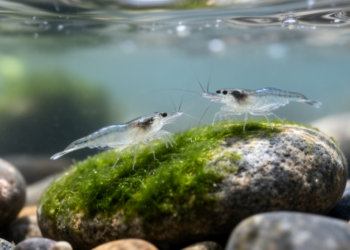
Killer Shrimp Babies Inherit Their Mother’s Taste in Food
A mesocosm experiment on the invasive killer shrimp shows that F1 hybrids inherit food preferences from their mothers' populations, with ...
A mesocosm experiment on the invasive killer shrimp shows that F1 hybrids inherit food preferences from their mothers' populations, with ...
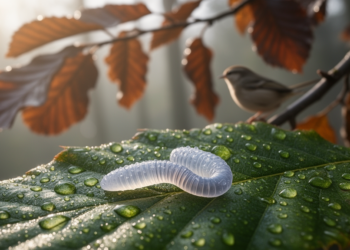
A multi-pathway study in Pennsylvania finds the beech leaf disease nematode travels via waterways, rain splash, wind-driven droplets and migratory ...
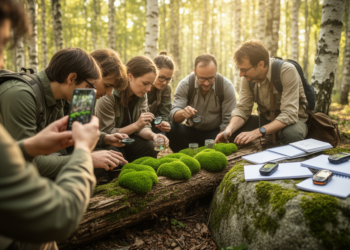
An analysis of 17,451 verified iNaturalist moss records from Poland shows citizen science can track conspicuous and invasive species, but ...
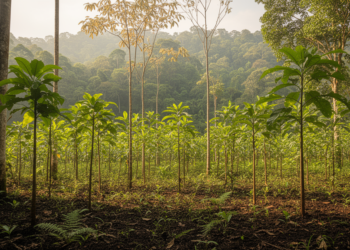
An analysis of 1,561 secondary forest plots across ten Neotropical countries shows that non-native trees dominate young regenerating forests only ...
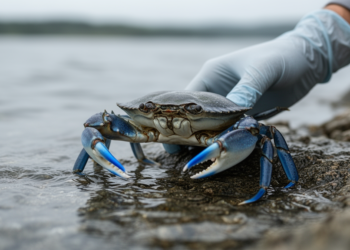
Four years of DNA monitoring in Spain's Guadalquivir Estuary revealed two rare blue crab haplotypes matching Gulf of Mexico and ...
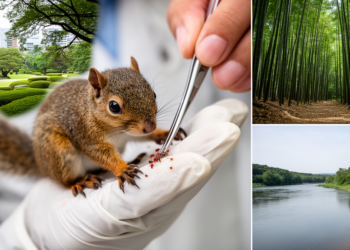
A study of 194 invasive Pallas’s squirrels across 22 Hamamatsu sites found patchy, locally occurring ticks, mites and fleas, with ...

A systematic review of 339 studies finds that Yellow River Delta restoration is shifting from isolated interventions toward coordinated management ...

Floristic observations and specimens document new naturalized alien-plant records, status changes and regional exclusions across Italy.
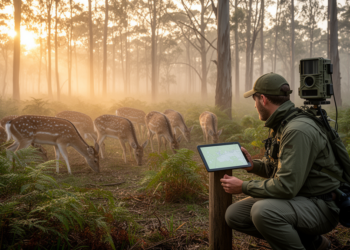
A spatial population model projected that annual or two-yearly aerial culling across a broad zone best limited invasive fallow deer ...
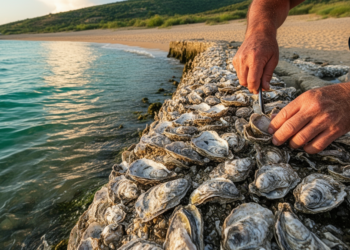
A field and laboratory study of 70 Pacific oysters found site- and season-specific oxidative-stress responses across seven Bulgarian Black Sea ...


Embark on a thrilling journey of discovery with Scienmag.com—your ultimate source for cutting-edge breakthroughs. Immerse yourself in a world where curiosity knows no limits and tomorrow’s possibilities become today’s reality!