


Five-Year Trial Finds Netting, Not Sprays, Best Shields Tomatoes From Cucumber Mosaic Virus
A five-year Nepali field trial found that commercially available biorational sprays failed to consistently control cucumber mosaic virus in tomato, ...
A five-year Nepali field trial found that commercially available biorational sprays failed to consistently control cucumber mosaic virus in tomato, ...

A Brazilian field study mapped entomopathogenic nematodes across five tropical crops and found their occurrence linked to soil potassium and ...

A Chilean field study found that conventionally managed lettuce farms sprayed seven to nine times per cycle supported fewer insect ...
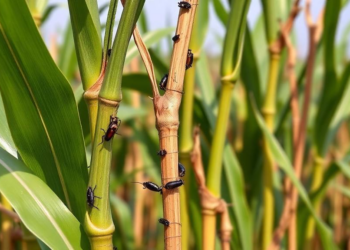
Brazilian researchers used a YOLO-based deep learning model to quantify internal insect injury in sugarcane stalks, showing that continuous injury ...

A comprehensive review finds that bioactive compounds from microalgae, cyanobacteria, and seaweeds can kill insects, nematodes, fungi, bacteria, viruses, and ...
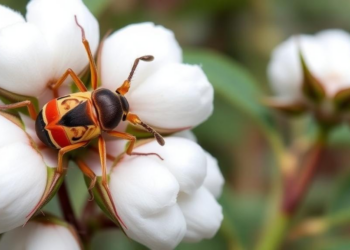
A comparative transcriptomic study of fifteen cotton pest species across four insect orders identifies conserved genes such as vitellogenin and ...
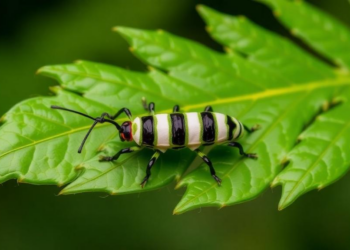
A field and laboratory study in eastern Nepal found neem oil gave the strongest suppression of the leaf-eating caterpillar Artona ...
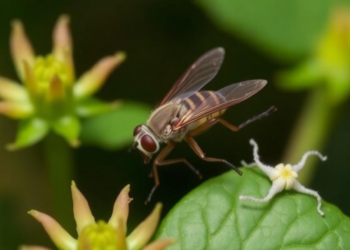
A two-year nationwide survey of 35 whitefly populations across 18 Chinese agricultural regions reveals escalating resistance to neonicotinoids and newer ...
A comprehensive review in Results in Chemistry details how molecular docking, virtual screening, and ADMET prediction are accelerating the discovery ...
A new review in Crop Health outlines how insect symbiotic microorganisms can be deployed, engineered, or disrupted to control agricultural ...


Embark on a thrilling journey of discovery with Scienmag.com—your ultimate source for cutting-edge breakthroughs. Immerse yourself in a world where curiosity knows no limits and tomorrow’s possibilities become today’s reality!