


Transient early-pluripotency treatment yields human iPSCs with stronger differentiation
A transient 4CL treatment during reprogramming yields human iPSCs with enhanced mesodermal, endodermal, and pancreatic differentiation capacity.
A transient 4CL treatment during reprogramming yields human iPSCs with enhanced mesodermal, endodermal, and pancreatic differentiation capacity.
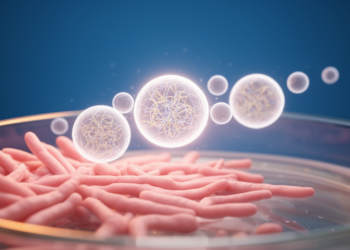
A methylation comparison of human gingival fibroblasts, their derived iPSCs and an embryonic stem-cell reference found broad pluripotent-state convergence alongside ...
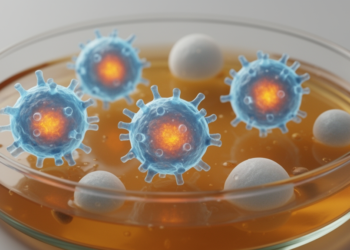
Forcing T-BET expression in iPSC-derived NK cells boosted IFN gamma and inflammatory chemokines but left cytotoxic function and terminal maturation ...
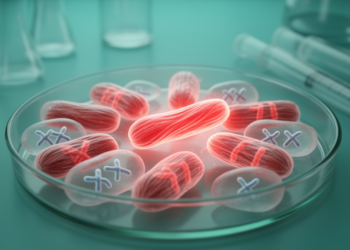
Researchers fused human iPS cells to create tetraploid lines whose derived cardiomyocytes show larger size, adult-like gene expression, enhanced mitochondria, ...
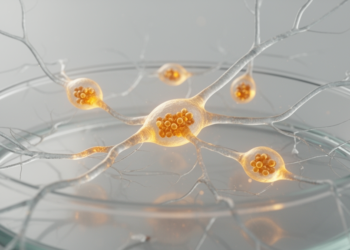
A review proposes combining engineered peroxisomal catalytic materials with patient-derived iPSC neural models while emphasizing that the integrated approach remains ...
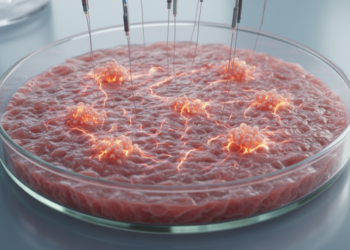
An in vitro study combining human atrial cardiomyocytes, fibroblasts and intermittent tachypacing reproduced selected electrical, calcium-handling and fibrotic changes associated ...
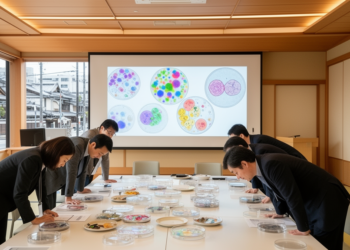
A sold-out Kyoto symposium brought together scientists, clinicians, and innovators reviewing 20 years of iPSC research across development models, disease ...
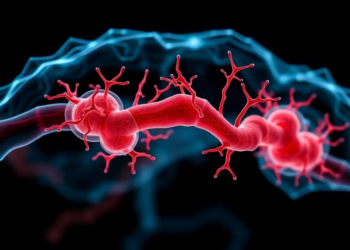
A new review maps how patient-derived induced pluripotent stem cells and three-dimensional vascular and neurovascular organoids are transforming Moyamoya disease ...
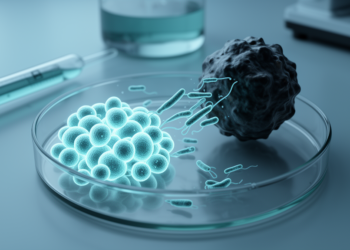
A new review highlights how induced pluripotent stem cells are being engineered into immune cells, cancer vaccines, and tumor models ...
Endothelial cells derived from women with PCOS harbor a latent mitochondrial defect that hyperglycemia unmasks, and blocking the enzyme myeloperoxidase ...


Embark on a thrilling journey of discovery with Scienmag.com—your ultimate source for cutting-edge breakthroughs. Immerse yourself in a world where curiosity knows no limits and tomorrow’s possibilities become today’s reality!