

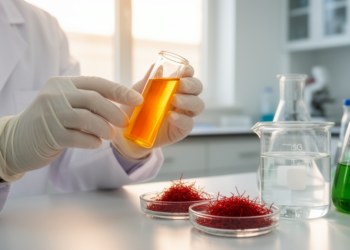
Scientists Turn Saffron Into a Water-Soluble Compound With a Greener Process
A non-chromatographic process converts saffron crocins into disodium crocetinate at 99.3% purity while recovering safranal as a co-product.
A non-chromatographic process converts saffron crocins into disodium crocetinate at 99.3% purity while recovering safranal as a co-product.
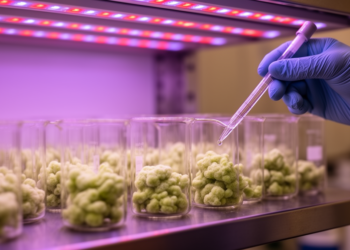
Optimizing callus age, methyl jasmonate elicitation, and blue-red LED lighting raised cepharanthine accumulation in Stephania pierrei callus cultures.
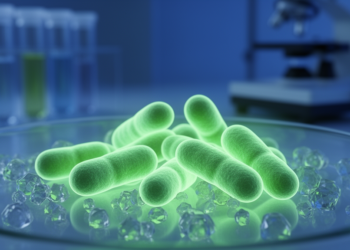
An engineered E. coli biosensor built on the Pseudomonas putida ttg operon estimated biosynthetic resveratrol concentrations with 92.7 to 93.8 ...

Nitrogen ion beam mutagenesis produced stable Starmerella bombicola mutants, one of which yielded 224.31 g/L of total sophorolipids in a ...
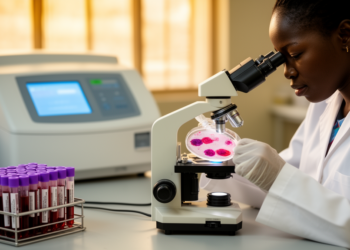
A retrospective Kenyan study of 773 people found MCV had near-chance accuracy for detecting haemoglobinopathies, with sickle cell disease phenotypes ...
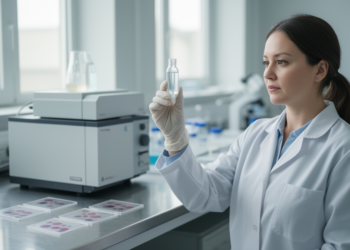
Researchers validated HPLC and TLC analytical methods for measuring the radiochemical purity of the zirconium-89 labelled PSMA-I&T radiotracer ahead of ...
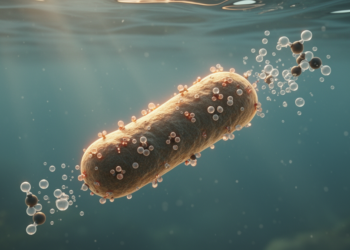
A Nigerian research team found that Leucobacter aridicollis strain conR completely degraded propylparaben and ethylparaben and removed 92 percent of ...

A new analytical study finds that safflower yellow in murals at the Tiantishan Grottoes, the Potala Palace, and the Maijishan ...
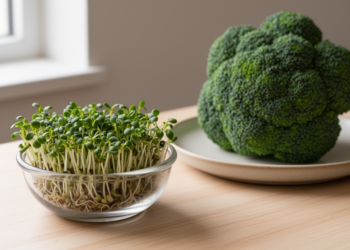
A metabolite analysis of two broccoli breeding lines shows sprouts contain several-fold more glucoraphanin and folic acid than mature heads, ...
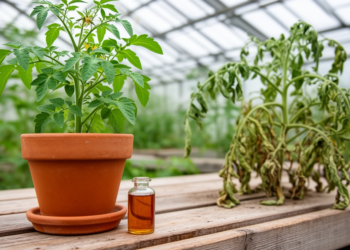
Bark extracts of Litsea glutinosa, together with the compounds kaempferol and beta-sitosterol, reduced bacterial wilt severity in tomatoes over two ...


Embark on a thrilling journey of discovery with Scienmag.com—your ultimate source for cutting-edge breakthroughs. Immerse yourself in a world where curiosity knows no limits and tomorrow’s possibilities become today’s reality!