

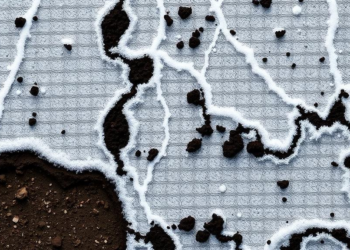
Freezing Soil May Lock Away Industrial Arsenic, Study Finds
A new Nature Water study shows that freeze–thaw cycles at ice–water interfaces rapidly convert freshly deposited industrial arsenic in soils ...
A new Nature Water study shows that freeze–thaw cycles at ice–water interfaces rapidly convert freshly deposited industrial arsenic in soils ...
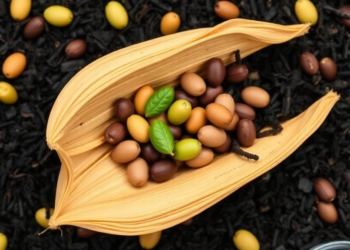
Researchers converted discarded bean husks into a low-cost biochar that removed up to 94.7% of lead and 91.5% of hexavalent ...
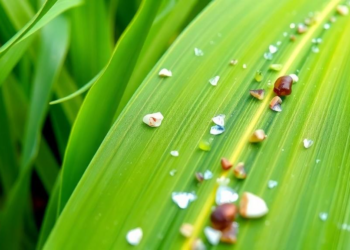
Researchers have identified the most reliable machine learning pipeline for estimating toxic lead levels in rice leaves from hyperspectral satellite ...
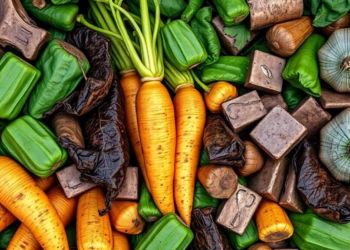
A new study in Lubumbashi, Democratic Republic of the Congo, finds that widely consumed vegetables exceed safety limits for cadmium, ...
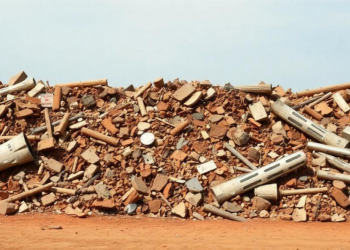
Researchers in Kumasi, Ghana, have mapped how heavy metals leach from construction and demolition waste into underlying soils, finding that ...
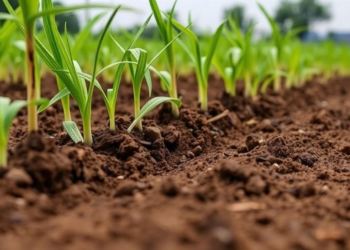
Researchers in Aligarh, India, developed a new Standard Weight Scoring method for soil quality indices that outperforms traditional approaches in ...
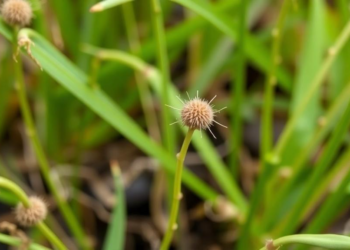
Researchers in Egypt combined physiological and DNA marker analyses to identify Chenopodium murale and Cynanchum acutum as the most promising ...
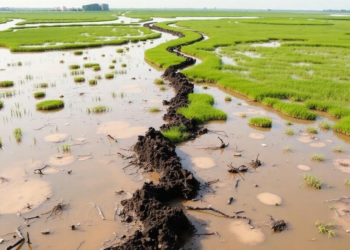
A new Water Quality Index study of the Rasik Beel Wetland Complex in West Bengal finds average water quality is ...
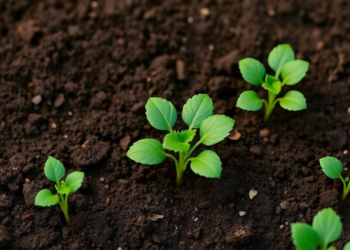
New research from Italy shows that compost amendments keep enhancing cobalt retention in Mediterranean soils for up to a decade ...
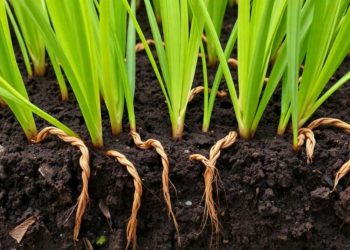
A field study shows that inoculating rice with a Penicillium fungus significantly reduces chromium, cadmium, lead, and antimony accumulation by ...


Embark on a thrilling journey of discovery with Scienmag.com—your ultimate source for cutting-edge breakthroughs. Immerse yourself in a world where curiosity knows no limits and tomorrow’s possibilities become today’s reality!