


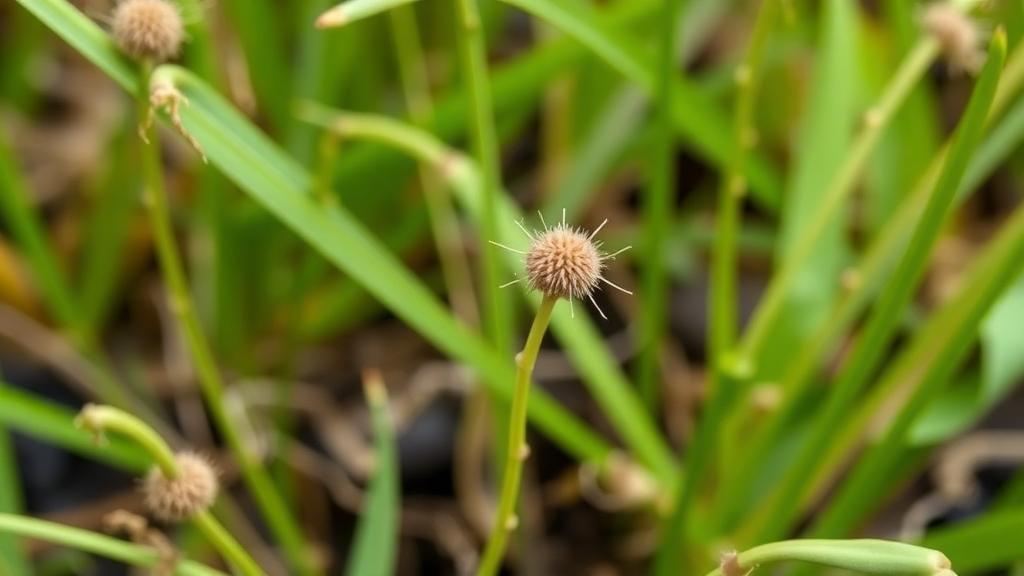
Industrial growth in developing countries has delivered undeniable economic benefits, but it has also left a toxic signature in the soils surrounding factories, smelters, and urban waste sites. Heavy metals such as cadmium, lead, and copper do not degrade over time; they persist, accumulate, and quietly enter food chains, where they can damage the nervous system, liver, and reproductive organs. According to figures cited by the World Health Organization, roughly one quarter of all human diseases are linked to environmental contaminants, including heavy metals. Against that backdrop, a team of Egyptian researchers has turned to an unlikely group of heroes: common native weeds growing in industrially contaminated land. Their study, published in Environmental Science and Pollution Research, examines four plant species collected from polluted sites and asks a deceptively simple question — which of them can survive, and even clean up, some of the most toxic soils in the landscape?
The research, led by Dalia Youssef El-Berawey of the University of Alexandria together with colleagues from the university’s Faculty of Education and Faculty of Science, focused on four widespread native species: prickly lettuce (Lactuca serriola), London rocket (Sisymbrium irio), nettle-leaved goosefoot (Chenopodium murale), and swallow-wort (Cynanchum acutum). These plants were not chosen at random. All four thrive in disturbed, degraded habitats and are known to tolerate harsh growing conditions, making them natural candidates for phytoremediation — the use of plants to extract, stabilize, or detoxify pollutants from soil and water. Unlike conventional remediation techniques, which rely on excavation, chemical washing, or landfilling of contaminated earth, phytoremediation is inexpensive, solar-powered, and environmentally benign, though its success depends entirely on selecting the right plant for the right pollutant.
To identify those candidates, the researchers sampled both soils and plants from industrial locations that they classified into two categories: low-pollution and highly polluted sites. Soil and plant tissues were analyzed for three of the most problematic metals — cadmium, lead, and copper — establishing a gradient of exposure across the study sites. The team then measured a suite of biochemical indicators in the plant tissues, including soluble sugars, proteins, secondary metabolites, total phenolics, malondialdehyde (MDA), and hydrogen peroxide (H2O2). Each of these molecules tells a story about stress. Hydrogen peroxide and MDA, for example, are classic signatures of oxidative damage: when heavy metals interfere with cellular metabolism, plants produce reactive oxygen species that attack membranes and proteins, and MDA accumulates as a byproduct of that lipid peroxidation.
The results showed a clear and consistent pattern. In the heavily polluted areas, all four species exhibited elevated levels of soluble sugars, proteins, hydrogen peroxide, MDA, and secondary metabolites compared with plants growing in less contaminated soil. Rising sugar and protein content reflects the plants’ attempt to fuel repair mechanisms and maintain osmotic balance under stress, while the surge in secondary metabolites points to an intensified antioxidant arsenal. The increase in H2O2 and MDA confirms that even these hardy weeds were experiencing genuine oxidative stress at the most contaminated sites — they were not immune to the toxicity, but they were actively fighting it. This combination of damage markers and defense responses provides a physiological portrait of plants pushed to their metabolic limits yet still functioning.
One of the most intriguing findings concerned total phenolic compounds, which displayed a unique interaction between plant species and location. Cynanchum acutum, the vigorous vine sometimes regarded as an invasive weed, responded to severe contamination with what the authors describe as hyper-stress phenolic accumulation — a massive surge in these antioxidant compounds to cope with the toxicity. Chenopodium murale, by contrast, maintained a balanced phenolic level while preserving the integrity of its genome. This divergence suggests two distinct survival strategies: one species throws overwhelming chemical defenses at the problem, while the other appears to buffer the stress more gently, avoiding both runaway oxidative damage and genetic injury. Understanding these strategies matters because a plant that keeps its genome stable under pollution pressure is more likely to grow, reproduce, and accumulate metals reliably across seasons.
That genetic dimension is where the study becomes particularly novel. Beyond the biochemical assays, the team employed two molecular marker systems — inter simple sequence repeats (ISSR) and start codon targeted (SCoT) markers — to probe the plants’ DNA directly. These polymerase chain reaction-based techniques generate banding patterns that reveal genetic variation and, crucially, detect DNA damage caused by environmental stress. From the marker profiles, the researchers calculated genomic template stability (GTS), a measure of how much the DNA banding pattern of stressed plants deviates from that of unstressed references. A high GTS means the genome has remained essentially intact; a low GTS signals genotoxic damage, with altered or lost bands reflecting mutations, rearrangements, or strand breaks induced by metal exposure.
The molecular data added a decisive layer to the physiological picture. While all species showed biochemical signs of stress in the highly polluted sites, Chenopodium murale stood out for maintaining genomic stability alongside its balanced phenolic profile. This is significant because DNA damage in a remediating plant can compromise growth and seed production, undermining the long-term viability of a phytoremediation program. A species that can tolerate heavy metals without suffering genetic erosion offers both immediate cleanup capacity and the resilience to persist across generations. The ISSR and SCoT markers thus serve a dual purpose: they act as sensitive biosensors of pollution-induced genotoxicity, and they help identify which plants possess the underlying genetic robustness needed for sustained field deployment.
Synthesizing the physiological, biochemical, and molecular evidence, the authors conclude that two of the four species demonstrate superior potential for phytoremediation: Cynanchum acutum and Chenopodium murale. Cynanchum’s aggressive phenolic response and robust growth habit suggest it can withstand and perhaps sequester high metal loads, while Chenopodium’s combination of stress tolerance and genomic stability makes it an exceptionally reliable candidate. The finding aligns with earlier field evidence from other regions — including studies in Pakistan that identified Chenopodium murale as a promising cadmium accumulator — and reinforces a growing consensus that native weeds, often dismissed as agricultural nuisances, may be among the most practical tools for restoring contaminated land in resource-limited settings.
The implications extend beyond Egypt. Rapid industrialization across many emerging economies has outpaced environmental regulation, leaving a legacy of metal-contaminated soils that conventional cleanup cannot afford to address at scale. Phytoremediation with locally adapted native species offers a low-cost alternative that also restores vegetation cover, prevents erosion, and can be combined with careful harvesting and disposal of metal-laden biomass. The Egyptian study’s integrated approach — pairing classic stress biochemistry with modern DNA markers — provides a template other researchers can follow to screen regional floras quickly and rigorously, identifying the plants best suited to each pollution profile before committing to large-scale restoration projects.
There remain important caveats and next steps. The authors themselves emphasize that Cynanchum acutum and Chenopodium murale warrant further investigation for ecological restoration, and field-scale trials will be needed to confirm accumulation rates, biomass yields, and safe disposal of contaminated plant material. Questions about whether these species hyperaccumulate metals or merely stabilize them in their roots, and how their performance varies with soil chemistry and climate, remain open. Still, the study delivers a compelling message: the solution to industrial pollution may already be growing in the contaminated soil itself. By listening to the molecular signals of these unassuming weeds, scientists are learning which plants can turn toxic ground into living, self-repairing landscape — a quiet revolution in green technology rooted in some of nature’s most persistent survivors.
Subject of Research: Phytoremediation potential of native plant species under heavy metal stress assessed through physiological and ISSR/SCoT molecular markers
Article Title: Heavy metal stress in native plant species: investigating phytoremediation potential through physiological and ISSR/SCoT molecular assessments
Article References: El-Berawey, D. Y., Nouby, A. E., Megahed, S. M., & Fawzy, E. E. (2026). Heavy metal stress in native plant species: investigating phytoremediation potential through physiological and ISSR/SCoT molecular assessments. Environmental Science and Pollution Research, 33(30), 15728-15742. https://doi.org/10.1007/s11356-026-38207-8
Image Credits: AI Generated
DOI: 10.1007/s11356-026-38207-8
Keywords: phytoremediation, heavy metals, Chenopodium murale, Cynanchum acutum, ISSR markers, SCoT markers, genomic template stability, oxidative stress, cadmium, lead, copper, soil pollution
Cite Scienmag News
Violet Maxwell. (October 6, 2026). Native Weeds Reveal Molecular Secrets for Cleaning Heavy Metal Pollution. Scienmag. https://scienmag.com/native-weeds-reveal-molecular-secrets-for-cleaning-heavy-metal-pollution/
Violet Maxwell. "Native Weeds Reveal Molecular Secrets for Cleaning Heavy Metal Pollution." Scienmag, 6 October 2026, https://scienmag.com/native-weeds-reveal-molecular-secrets-for-cleaning-heavy-metal-pollution/. Accessed 6 October 2026.
Violet Maxwell. "Native Weeds Reveal Molecular Secrets for Cleaning Heavy Metal Pollution." Scienmag. October 6, 2026. https://scienmag.com/native-weeds-reveal-molecular-secrets-for-cleaning-heavy-metal-pollution/


