


Wet Events Split the World: Excess Water Boosts Some Ecosystems, Weakens Others
A global analysis combining satellite observations and climate model projections finds that wet events suppress vegetation productivity at northern high ...
A global analysis combining satellite observations and climate model projections finds that wet events suppress vegetation productivity at northern high ...

A machine learning ensemble trained on 24 wetland sites estimates that Southeastern U.S. wetlands took up a net 20 teragrams ...

A study of China's Songhua River Basin and global cropland flux sites finds that ecosystem water use efficiency declines nonlinearly ...
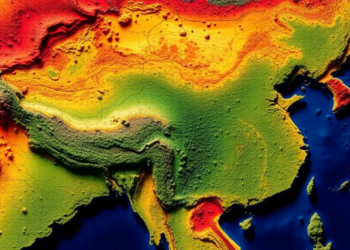
Gross primary productivity, or GPP, is the amount of carbon captured by plants through photosynthesis before subtracting the carbon used ...
A new satellite-based analysis reveals that China's declining air pollution has eroded a hidden aerosol-driven subsidy to vegetation productivity, with ...
A global analysis of flux-tower observations and Earth system models shows that rising wind speed lowers ecosystem water use efficiency ...

New research in Nature Geoscience shows that the Western Eurasian Steppe has undergone an abrupt, human-influenced regime shift toward hotter ...

New research shows that phytoplankton blooms in the North Atlantic can warm sea surfaces, strengthen moisture-carrying winds, and boost central ...
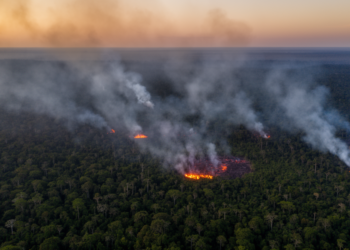
A new modelling study shows that ozone produced by Amazon fires suppresses forest carbon uptake by an amount equal to ...
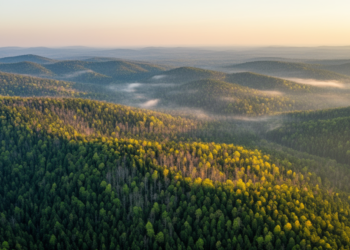
A new modeling study shows that East Asian ecosystems have become steadily less responsive to rising atmospheric carbon dioxide since ...


Embark on a thrilling journey of discovery with Scienmag.com—your ultimate source for cutting-edge breakthroughs. Immerse yourself in a world where curiosity knows no limits and tomorrow’s possibilities become today’s reality!