

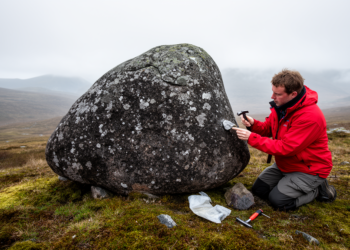
Scotland’s Ancient Boulders Put a Famous Dating Clock to the Test
New beryllium-10 measurements from glacial boulders in north-west Scotland show that the Rannoch Moor production rate gives the most accurate ...
New beryllium-10 measurements from glacial boulders in north-west Scotland show that the Rannoch Moor production rate gives the most accurate ...
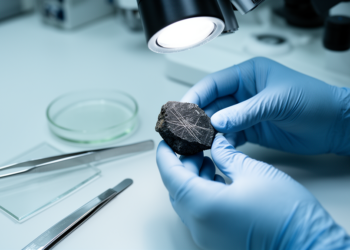
A new deconvolution method extracts multiple discrete ages from a single apatite fission-track length histogram, sharpening the reconstruction of burial, ...
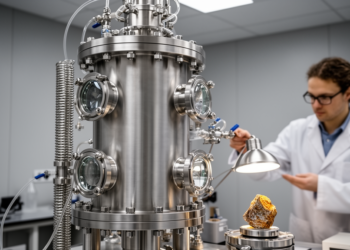
Scientists at the University of Colorado Boulder have built and calibrated a custom low-volume helium analysis line, the Jimbochron, that ...
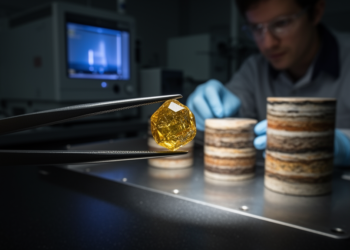
A new analysis shows that uncertainties in helium diffusion parameters in zircon can shift predicted thermochronologic ages by hundreds of ...
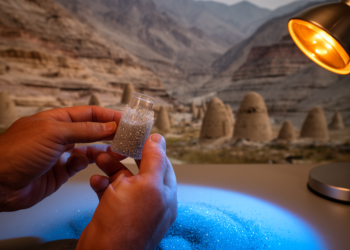
Researchers at the University of Calgary have developed a new modeling strategy that uses syn-depositional zircon grains and combined U/Pb ...

A 15-year scientific drilling campaign in Ethiopia's Chew Bahir basin produced twin sediment cores spanning 620,000 years of climate history, ...

Researchers have developed a laser ablation mass spectrometry method that yields reliable uranium-lead ages from garnet containing less than one ...
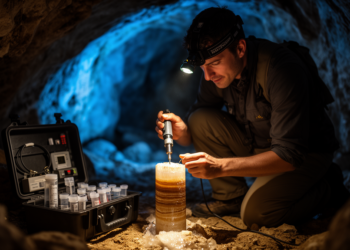
A new multi-method dating framework corrects severe thorium contamination in Yucatán stalagmites, producing robust 2,700-year climate chronologies that can illuminate ...

A new study dissects the physical origins of uranium-lead measurement bias in laser ablation zircon dating and shows that directly ...
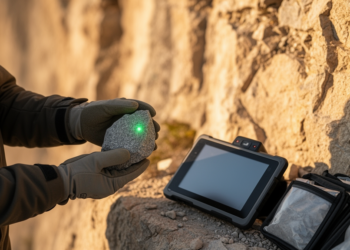
An open-source MATLAB application called CoRSEER standardises luminescence rock surface exposure dating, objectively normalising luminescence depth profiles and inverting them ...


Embark on a thrilling journey of discovery with Scienmag.com—your ultimate source for cutting-edge breakthroughs. Immerse yourself in a world where curiosity knows no limits and tomorrow’s possibilities become today’s reality!