

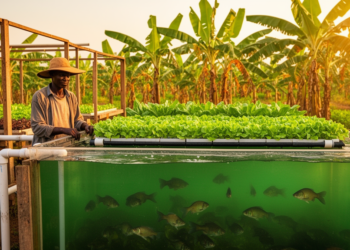
Aquaponics tops sustainability but money and gender shape fish farming choices in Uganda
A survey of 169 Ugandan fish farmers finds aquaponics is the most sustainable system yet the least adopted, with gender, ...
A survey of 169 Ugandan fish farmers finds aquaponics is the most sustainable system yet the least adopted, with gender, ...

A new CGE modelling study finds that a 50 percent cut in hazardous pesticide use would cost the EU agricultural ...

A new study of 621 rural Ugandan households finds that temperature rises above the long-term average are associated with 15 ...

A systematic review of 23 empirical studies finds that cluster-based farming in Ethiopia offers social, economic, ecological, institutional and political ...

A new review finds biochar can raise rice yields by 8 to 24 percent and cut greenhouse gas emissions, while ...
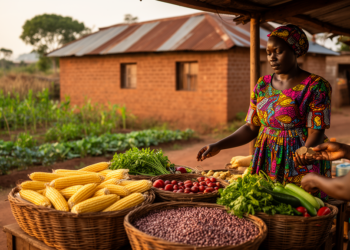
An analysis of 2024 Ugandan census data finds remittance receipt is associated with a 2.1 to 4.6 percentage point higher ...

A stakeholder-driven scenario study outlines four plausible futures for the United Arab Emirates' import-dependent cereal security through 2050, identifying Strategic ...

A qualitative study of small-scale fish farmers in Bogor, Bekasi and Depok finds that digital technology adoption in Indonesian aquaculture ...

A newly developed Food Availability Vulnerability Index scores Singapore as the most vulnerable and Thailand as the least vulnerable of ...

University of Illinois researchers say precision fermentation, long used for fuel and animal feed, could help address global food insecurity ...


Embark on a thrilling journey of discovery with Scienmag.com—your ultimate source for cutting-edge breakthroughs. Immerse yourself in a world where curiosity knows no limits and tomorrow’s possibilities become today’s reality!