

Evolutionary AI Cracks the Code of Glass-Powder Geopolymer Strength
Researchers used Differential Evolution-optimized machine learning to predict the compressive strength of fly ash and waste glass powder geopolymers with ...
Researchers used Differential Evolution-optimized machine learning to predict the compressive strength of fly ash and waste glass powder geopolymers with ...
Researchers trained an explainable XGBoost model on 1,670 field-recorded concrete mixes, achieving R-squared 0.9263 in strength prediction while using SHAP ...
A new study shows that blending 40 percent Tengger Desert sand into alkali-activated slag-fly ash concrete maximizes strength and delivers ...

Researchers replaced fly ash in carbon-fiber-reinforced geopolymer with red mud and ore tailings, achieving up to 33.5 decibels of X-band ...
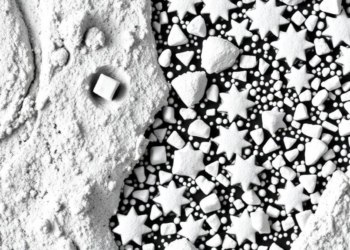
A γ-Al₂O₃ modification makes fly ash geopolymers far better at capturing trivalent actinides, showing that reactive surface chemistry matters more ...
A Taguchi-TOPSIS study shows that solution treatment temperature, holding time and cooling method strongly control the hardness, wear rate and ...

Researchers used explainable machine learning to predict and interpret the compressive strength of sustainable SCM-based concrete, finding LightGBM the most ...
Researchers at NIT Raipur showed that induction furnace steel slag can replace up to half the river sand in Engineered ...
A new study shows that concrete made with up to 80 percent less cement develops a denser, stronger interfacial transition ...
A systematic analysis of 40 concrete mixes shows that activators synthesized from waste glass and rice husk ash match commercial ...


Embark on a thrilling journey of discovery with Scienmag.com—your ultimate source for cutting-edge breakthroughs. Immerse yourself in a world where curiosity knows no limits and tomorrow’s possibilities become today’s reality!