

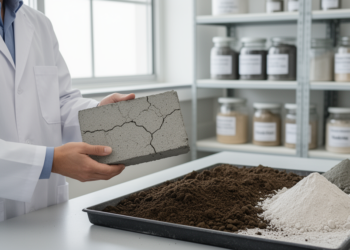
Green Soil Stabilization Review Maps Low-Carbon Alternatives to Cement
A systematic review of 187 studies finds geopolymer binders cut carbon emissions by 60 to 80 percent compared with cement, ...
A systematic review of 187 studies finds geopolymer binders cut carbon emissions by 60 to 80 percent compared with cement, ...

A PSO-optimized XGBoost model predicted the compressive strength, elastic energy index and impact energy index of gangue-cemented backfill materials with ...
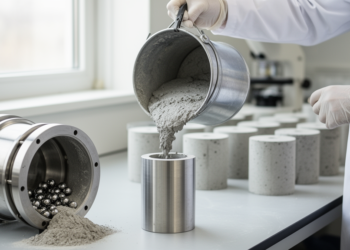
Ball milling fly ash and slag with solid alkali activator produced a one-part geopolymer with 240 mm fluidity, 47.5 MPa ...
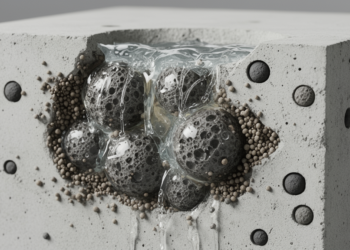
Laboratory tests found that sodium-hydroxide conditioning improved fly ash aggregate strength, concrete compressive capacity, interfacial bonding, and water resistance, while ...
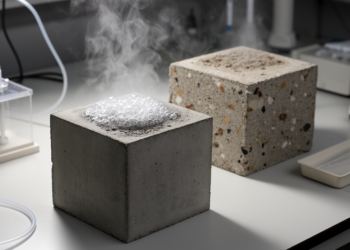
A hybrid experiment-and-model study found that accelerated carbonation curing modestly improved ordinary Portland cement durability but shortened modeled cover-cracking times ...
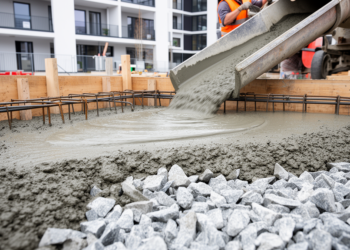
A laboratory study developed a mortar-rheology method for making high-fluidity concrete with crushed limestone sand, achieving flows above 600 mm ...
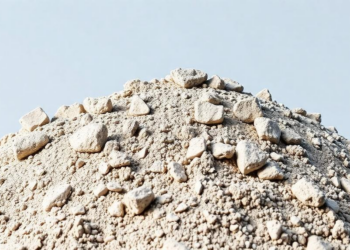
The study's framing of geopolymer optimization reflects a broader shift in construction materials research away from single-property maximization toward balanced, ...
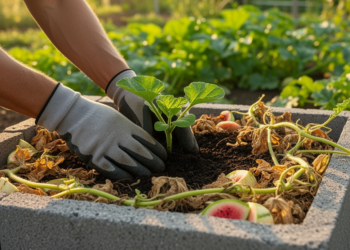
Researchers found that shredded watermelon vine waste can both reinforce ecological porous concrete and neutralize its alkalinity, enabling over 80 ...
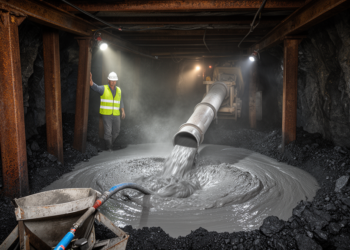
Chinese researchers show that highly saline concentrated mine water can replace tap water in coal-waste backfill, boosting early strength when ...
Researchers show that an alkali-activated blend of fly ash and blast furnace slag can stabilize dredged waste soil for embankments, ...


Embark on a thrilling journey of discovery with Scienmag.com—your ultimate source for cutting-edge breakthroughs. Immerse yourself in a world where curiosity knows no limits and tomorrow’s possibilities become today’s reality!