

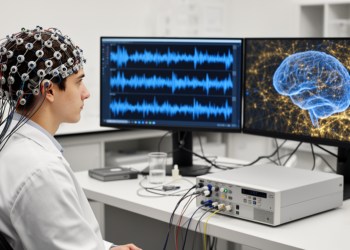
Deep learning improves subject-adaptive P300 EEG decoding in computational study
A computational study found that confidence-based routing between subject-specific and pooled decoders improved P300 EEG decoding in two public datasets.
A computational study found that confidence-based routing between subject-specific and pooled decoders improved P300 EEG decoding in two public datasets.
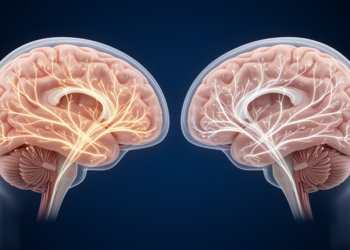
A study linking MRI and EEG in 138 people aged 7 to 21 found associations between regional brain volume and ...
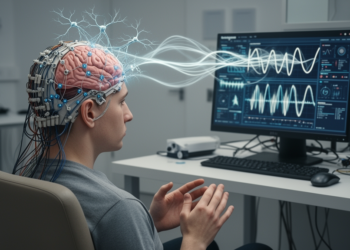
An offline EEG study of 97 healthy adults linked motor imagery to brief limb execution and used a dual-branch neural ...
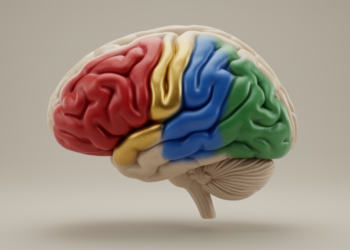
Intracranial stimulation and electroencephalography in 87 people identified four functional regions of the human insula and an asymmetric pathway linking ...
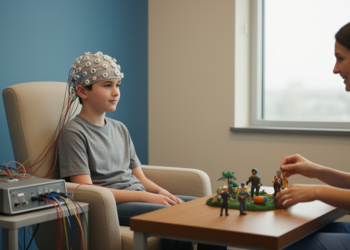
A 36-participant pilot randomized trial will assess the feasibility of in-person UCLA PEERS in Italian routine care and explore baseline ...

Human EEG recordings show that a working-memory-associated signal reverses lateralization as remembered objects cross the visual midline, a pattern consistent ...
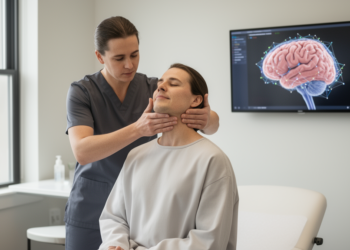
A 30-adult, nonrandomized pilot trial associated genuine chiropractic adjustments with exploratory changes in resting-state brain connectivity but found no heart-rate-variability ...

A controlled mouse study found that intranasal cerium dioxide nanorod exposure was associated with brain accumulation, altered exploration, increased seizure ...
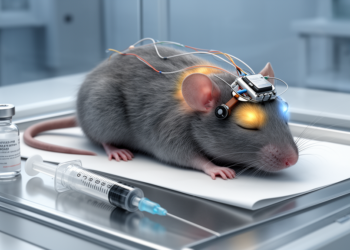
A context-aware deep-learning model classified rodent sleep stages across unseen animals and retained near-baseline performance after training only on vehicle-control ...
A Japanese case report describes a woman with drug-resistant epilepsy whose seizures fell by about 60 percent after deep brain ...


Embark on a thrilling journey of discovery with Scienmag.com—your ultimate source for cutting-edge breakthroughs. Immerse yourself in a world where curiosity knows no limits and tomorrow’s possibilities become today’s reality!