

Thursday, November 19, 2026
Science
No Result
View All Result
  • Login
  • HOME
  • SCIENCE NEWS
  • CONTACT US
  • HOME
  • SCIENCE NEWS
  • CONTACT US
No Result
View All Result
Scienmag
No Result
View All Result
Home Science News Medicine

Human insula resolves into four functionally distinct regions

October 22, 2026
in Medicine, Technology and Engineering
Denise Maddox
By Denise Maddox Scienmag Editorial Profile - Mechanical Engineering
Reading Time: 3 mins read
0
Human insula resolves into four functionally distinct regions

Human insula resolves into four functionally distinct regions

65
SHARES
587
VIEWS
Share on FacebookShare on Twitter
ADVERTISEMENT

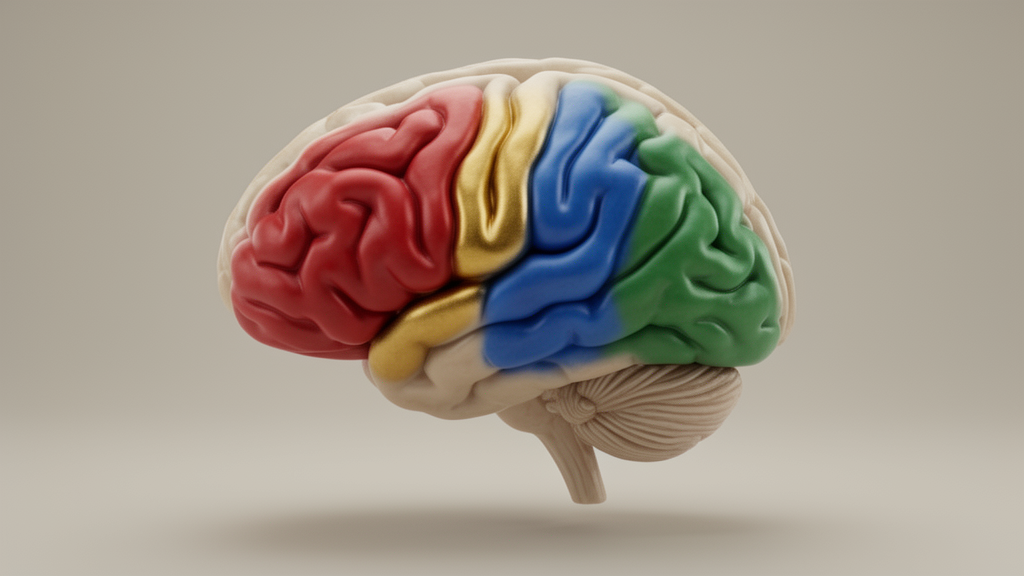
The human insula is not a single sensory processing area but a set of regions specialized for different kinds of bodily information and conscious experience, according to a study of 87 participants who underwent intracranial electrical stimulation. Combining direct stimulation with task-based electroencephalography and connectivity mapping in a cytoarchitectonic atlas, the researchers identified four broad functional regions: a dorsal–posterior area for spatially organized nociceptive, thermoceptive and somatosensory signals; a ventral–posterior area that receives somatic information from multiple body parts; a mid-anterior area associated with visceral sensations and anxiety states; and an anterior–polar area that responded strongly to salience detection and changes in action mode but was largely silent during direct stimulation.

Direct electrical stimulation made it possible to distinguish subjective responses associated with particular parts of the insula, while electroencephalography recorded how those responses related to activity during tasks. The most clearly organized signals appeared in the dorsal–posterior region, where responses to pain, temperature and other sensations could be linked to different parts of the body. The ventral–posterior region also carried somatic information, but its responses were described as having access to signals from several body parts rather than forming the same tightly somatotopic pattern. These findings indicate that neighboring parts of the posterior insula contribute to bodily sensation in different ways.

The anterior half of the insula showed a different functional profile. The mid-anterior region was associated with visceral sensations and anxiety states, while the most anterior and polar region was comparatively unresponsive to direct stimulation. That apparent silence did not mean the region was inactive. Instead, task recordings revealed robust activation when participants detected something salient or changed their mode of action. The contrast is important because it separates responses elicited by artificial stimulation from activation that occurs naturally during attention-demanding tasks.

Connectivity analysis revealed an asymmetric relationship between the anterior–polar region and the rest of the insula. This anterior region had strong, direct influence over the other insular regions and strong connections with the prefrontal cortex, including the anterior cingulate cortex. The reverse direction was weaker and more indirect: the other regions provided comparatively less-strong indirect inputs to the anterior–polar area. In electrophysiological terms, the observed pathway was directed rather than reciprocal, with the anterior region positioned to exert substantial influence over posterior and mid-insular activity.

The study therefore links the insula’s microscopic cytoarchitecture to its larger pattern of directed and asymmetric electrophysiological interactions. Its four-part organization offers a more detailed account of how the insula can process bodily signals, visceral experience, anxiety, salient events and changes in action. The directional influence from the anterior–polar region also supplies a plausible electrophysiological pathway through which cognitive processes could modulate pain and interoceptive experience. This is a mechanistic explanation supported by intracranial stimulation and recordings, not a demonstration that a specific stimulation target can be used to treat pain or another clinical condition.

Subject of Research: Functional organization and directed connectivity of the human insular cortex

Article Title: Functional architecture of the human insula

Article References: Quabs, J., Pantis, S., Chen, G., Huang, W., Ma, E., del Vecchio, M., Lyu, D., Wang, C., Avanzini, P., Buch, V., Ramayya, A. G., Caspers, S., Vogel, H., & Parvizi, J. (2026). Functional architecture of the human insula. Nature. https://doi.org/10.1038/s41586-026-11175-2

Image Credits: AI Generated

DOI: 10.1038/s41586-026-11175-2

Keywords: human insula, intracranial stimulation, electroencephalography, interoception, pain processing, cytoarchitecture, brain connectivity, salience detection, anxiety, visceral sensation, Functional, architecture

Cite Scienmag News

Denise Maddox. (October 22, 2026). Human insula resolves into four functionally distinct regions. Scienmag. https://scienmag.com/human-insula-resolves-into-four-functionally-distinct-regions/

Denise Maddox. "Human insula resolves into four functionally distinct regions." Scienmag, 22 October 2026, https://scienmag.com/human-insula-resolves-into-four-functionally-distinct-regions/. Accessed 19 November 2026.

Denise Maddox. "Human insula resolves into four functionally distinct regions." Scienmag. October 22, 2026. https://scienmag.com/human-insula-resolves-into-four-functionally-distinct-regions/

Tags: anxietyarchitecturebody part representation in insulabrain connectivitycytoarchitectonic insula mappingcytoarchitectureelectroencephalographyfunctionalhuman insulahuman insula functional differentiationinsula connectivity and task responsesinsula cortical regionsinsula's role in conscious experienceinteroceptionintracranial electrical stimulationintracranial stimulationneurofunctional subdivision of insulapain and temperature signal processingpain processingsalience detectionsalience detection in insulasomatosensory processing in insulavisceral sensationvisceral sensation and anxiety
Share26Tweet16
Previous Post

Regional digital finance showed no stable resilience association in Chinese food firms

Next Post

Interview Study Documents Pressure on Florida School Board Members

Related Posts

Vascularised Cardiac Organoids Link Elevated TINF2 to Impaired Mitophagy in Diabetes
Medicine

Vascularised Cardiac Organoids Link Elevated TINF2 to Impaired Mitophagy in Diabetes

November 19, 2026
Interpersonal Stress Links to Self-Injury in Adolescents With Major Depression
Psychology & Psychiatry

Interpersonal Stress Links to Self-Injury in Adolescents With Major Depression

November 19, 2026
Biopolymer Encapsulation Preserves More Than 90 Percent of Unstable Tea Catechins
Technology and Engineering

Biopolymer Encapsulation Preserves More Than 90 Percent of Unstable Tea Catechins

November 19, 2026
Wearable AI System Solved 76 Percent of Plastic Surgery Exam Questions
Science Education

Wearable AI System Solved 76 Percent of Plastic Surgery Exam Questions

November 19, 2026
Fractional Derivative Model and Neural Network Predict Unsteady Nanofluid Transport
Technology and Engineering

Fractional Derivative Model and Neural Network Predict Unsteady Nanofluid Transport

November 19, 2026
Neuroendoscopic Surgery Improves Hematoma Clearance in Hypertensive Intracerebral Hemorrhage Analysis
Medicine

Neuroendoscopic Surgery Improves Hematoma Clearance in Hypertensive Intracerebral Hemorrhage Analysis

November 19, 2026
Next Post
Interview Study Documents Pressure on Florida School Board Members

Interview Study Documents Pressure on Florida School Board Members

  • Mothers who receive childcare support from maternal grandparents show more optimized

    Mothers who receive childcare support from maternal grandparents show more parental warmth, finds NTU Singapore study

    27656 shares
    Share 11059 Tweet 6912
  • University of Seville Breaks 120-Year-Old Mystery, Revises a Key Einstein Concept

    1061 shares
    Share 424 Tweet 265
  • Bee body mass, pathogens and local climate influence heat tolerance

    682 shares
    Share 273 Tweet 171
  • Researchers record first-ever images and data of a shark experiencing a boat strike

    546 shares
    Share 218 Tweet 137
  • Groundbreaking Clinical Trial Reveals Lubiprostone Enhances Kidney Function

    531 shares
    Share 212 Tweet 133
Science

Embark on a thrilling journey of discovery with Scienmag.com—your ultimate source for cutting-edge breakthroughs. Immerse yourself in a world where curiosity knows no limits and tomorrow’s possibilities become today’s reality!

RECENT NEWS

  • Vascularised Cardiac Organoids Link Elevated TINF2 to Impaired Mitophagy in Diabetes
  • Interpersonal Stress Links to Self-Injury in Adolescents With Major Depression
  • Biopolymer Encapsulation Preserves More Than 90 Percent of Unstable Tea Catechins
  • Fermenting Millet Drink With L. Plantarum Enhances Phenolics and Antioxidant Activity

Categories

  • Agriculture
  • Anthropology
  • Archaeology
  • Athmospheric
  • Biology
  • Biotechnology
  • Blog
  • Bussines
  • Cancer
  • Chemistry
  • Climate
  • Earth Science
  • Editorial Policy
  • Marine
  • Mathematics
  • Medicine
  • Pediatry
  • Policy
  • Psychology & Psychiatry
  • Science Education
  • Science News
  • Social Science
  • Space
  • Technology and Engineering

Subscribe to Blog via Email

Enter your email address to subscribe to this blog and receive notifications of new posts by email.

Join 5,151 other subscribers

© 2026 Scienmag - Science Magazine

Welcome Back!

Login to your account below

Forgotten Password?

Retrieve your password

Please enter your username or email address to reset your password.

Log In
No Result
View All Result
  • HOME
  • SCIENCE NEWS
  • CONTACT US

© 2026 Scienmag - Science Magazine

Discover more from Science

Subscribe now to keep reading and get access to the full archive.

Continue reading

