

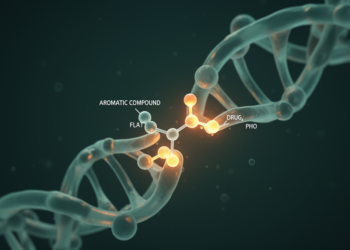
Human Enzymes Found to Deactivate Promising Tuberculosis Drug Macozinone
Researchers have identified the human enzymes PTGR1 and PTGR2 as the cause of an unprecedented metabolic inactivation of the antitubercular ...
Researchers have identified the human enzymes PTGR1 and PTGR2 as the cause of an unprecedented metabolic inactivation of the antitubercular ...
A new review explains how gut microbial enzymes, bioaccumulation, and enterohepatic recycling can activate, inactivate, or toxify drugs, while cautioning ...

A new in vitro study reports that aqueous and ethanol leaf extracts of Jatropha curcas moderately inhibit the drug-metabolizing enzymes ...
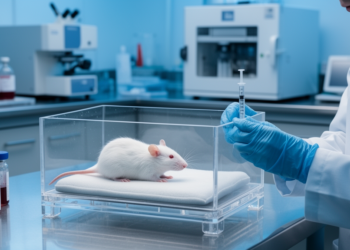
A controlled rat study found that simulated 6,000-meter hypoxia raised dapagliflozin exposure 6.58-fold after acute exposure and 2.11-fold after chronic ...
Only a small fraction of the drugs recommended for gastrointestinal cancers are directly steered by known pharmacogenetic variants, yet the ...
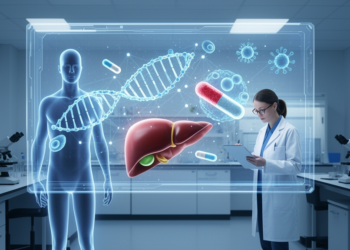
A 2026 perspective proposes that large language models could integrate genetic and clinical records to identify possible pharmacogenomic phenoconversion, while ...
In vitro experiments show juglone, a naphthoquinone from walnut green husks, potently and competitively inhibits the human drug-metabolizing enzyme CYP2C9, ...
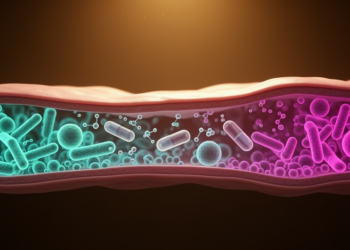
A new review argues that menopause-driven gut microbiome changes may reshape drug metabolism and explain variability in medication response among ...
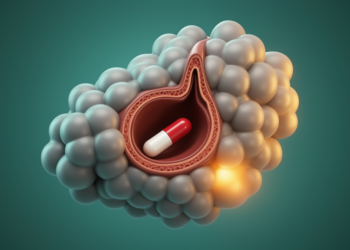
A new review argues that cytochrome P450 inhibition, long treated as a drug-discovery liability, can be a powerful therapeutic strategy ...

New research reveals that the nematode Caenorhabditis elegans deploys a dedicated genetic defense system against cationic amphiphilic drugs, a finding ...


Embark on a thrilling journey of discovery with Scienmag.com—your ultimate source for cutting-edge breakthroughs. Immerse yourself in a world where curiosity knows no limits and tomorrow’s possibilities become today’s reality!