


HSCM-Lane improves lane segmentation with multi-level context modeling
A ResNet-based model using multi-level shifted-window context improved lane-segmentation metrics on BDD100K and transferred to TuSimple without target-domain fine-tuning.
A ResNet-based model using multi-level shifted-window context improved lane-segmentation metrics on BDD100K and transferred to TuSimple without target-domain fine-tuning.
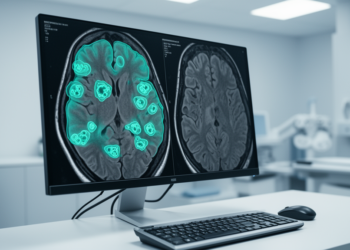
A three-dimensional framework using ontology-aware tissue representation and training-only counterfactual supervision improved brain-metastasis MRI segmentation in 38 cases from a ...

A hierarchical deep latent-variable model outperformed existing methods at identifying causal triggers and predicting perturbation responses in synthetic and real ...
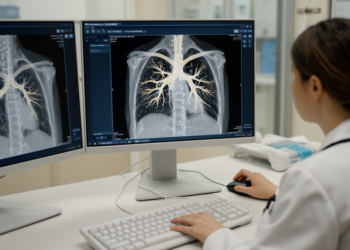
A narrative review finds that airway AI must preserve branching anatomy, generalize across institutions and demonstrate clinical utility rather than ...
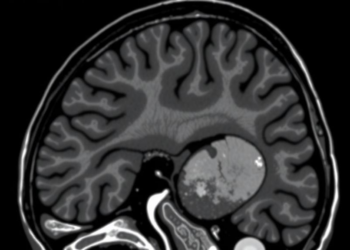
A retrospective Dutch proof-of-concept study found that nnU-Net trained from scratch on 10 patients reached a median Dice score of ...

A systematic review found 43 studies applying artificial intelligence to infectious-disease prediction, management, surveillance or outbreak prediction in Africa between ...
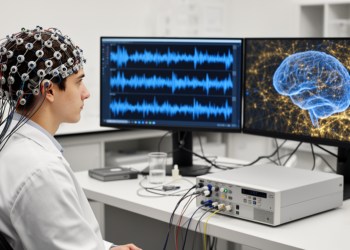
A computational study found that confidence-based routing between subject-specific and pooled decoders improved P300 EEG decoding in two public datasets.
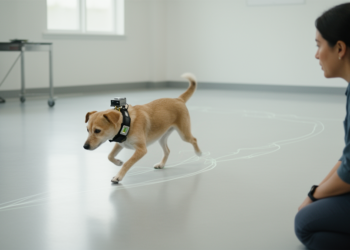
Neural-aided inertial tracking reduced mean position error to 2.91 metres for two walking dogs, while the best configuration differed between ...

A retrospective study of 246 patients found that a model combining multiparametric MRI radiomics, deep learning and clinical data achieved ...

An offline EEG study of 97 healthy adults linked motor imagery to brief limb execution and used a dual-branch neural ...


Embark on a thrilling journey of discovery with Scienmag.com—your ultimate source for cutting-edge breakthroughs. Immerse yourself in a world where curiosity knows no limits and tomorrow’s possibilities become today’s reality!