


Detectors, not association tricks, drive multi-object tracking success
A systematic experimental study in Artificial Intelligence Review finds detector improvements deliver more than 10 percent tracking gains while refined ...
A systematic experimental study in Artificial Intelligence Review finds detector improvements deliver more than 10 percent tracking gains while refined ...
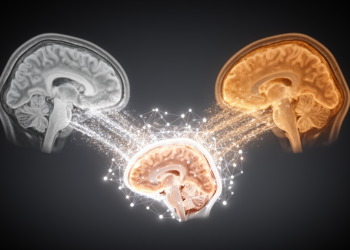
A newly published two-stage deep network called FADFNet uses parallel feature extraction, source-image compensation, and a decomposition feedback loop to ...
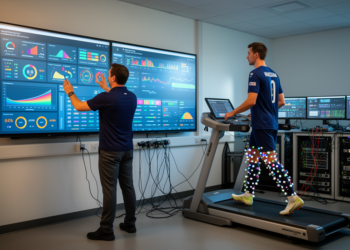
A new bibliometric analysis of 809 publications shows that research on artificial intelligence for predicting and preventing sports injuries grew ...

A federated deep learning approach improved cardiovascular risk prediction across two Dutch population cohorts while keeping all patient data within ...

An ensemble of machine learning models detected suicidal ideation in Amharic social media posts with up to 83.3 percent accuracy, ...
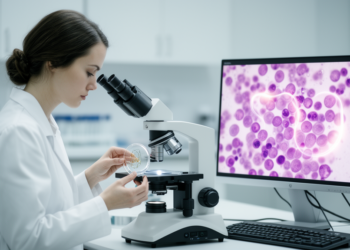
A hybrid machine learning framework fusing autoencoder-learned representations with handcrafted texture features achieved approximately 99.85% test accuracy for cervical cancer ...

A ResNet-based model using multi-level shifted-window context improved lane-segmentation metrics on BDD100K and transferred to TuSimple without target-domain fine-tuning.
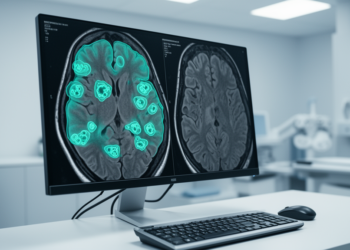
A three-dimensional framework using ontology-aware tissue representation and training-only counterfactual supervision improved brain-metastasis MRI segmentation in 38 cases from a ...
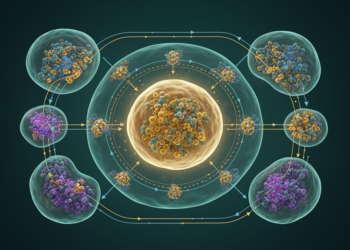
A hierarchical deep latent-variable model outperformed existing methods at identifying causal triggers and predicting perturbation responses in synthetic and real ...
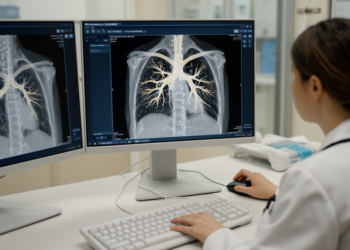
A narrative review finds that airway AI must preserve branching anatomy, generalize across institutions and demonstrate clinical utility rather than ...


Embark on a thrilling journey of discovery with Scienmag.com—your ultimate source for cutting-edge breakthroughs. Immerse yourself in a world where curiosity knows no limits and tomorrow’s possibilities become today’s reality!