

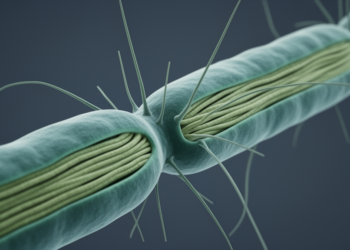
Cyanobacteria Build Two Specialized Pili from One Shared Assembly Machinery
A study of Synechocystis sp. PCC 6803 shows that cyanobacteria use one shared type IV pilus machinery, primed by distinct ...
A study of Synechocystis sp. PCC 6803 shows that cyanobacteria use one shared type IV pilus machinery, primed by distinct ...
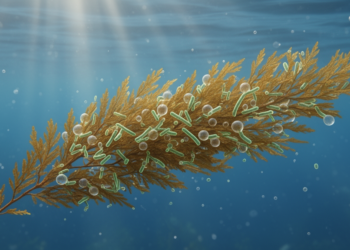
A multi-year study of pelagic Sargassum in the Gulf Stream finds that epiphytic cyanobacteria, not measured water chemistry, best predict ...

LPS from the cyanobacterium Brasilonema sp. induces neutrophil-driven lung inflammation through TLR4 in mice and exacerbates Th2-dependent allergic airway inflammation ...
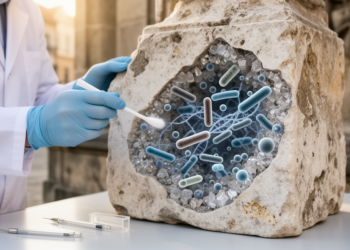
A study of 10 sub-aerial biofilm samples from Kraków identified substrate-related microbial patterns and contrasting co-occurrence structures among fungi, bacteria, ...
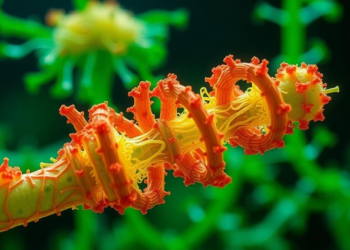
Scientists have purified the cyanobacterial stress protein HliA for the first time and shown in vitro that it binds chlorophyll ...
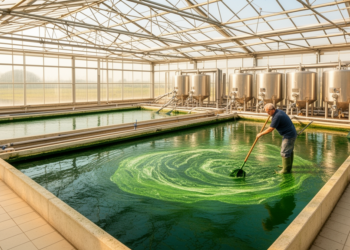
A three-month industrial-scale study in Ravenna demonstrates that recycling culture medium after each harvest preserves biomass quality, with proteins at ...
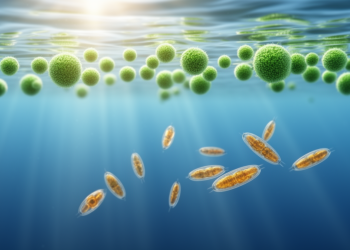
A year-long study of China's Lushan West Reservoir reveals how temperature, transparency, and nutrient levels drive a seasonal battle for ...

A new review explains how nitrogen-fixing, buoyancy-regulating cyanobacteria exploit low N:P ratios and thermal stratification to displace eukaryotic algae in ...

A newly harmonized dataset of more than 104,000 individual phytoplankton trait records from 14 Mediterranean and Black Sea lagoons provides ...

A new review maps how alternative splicing rewires stress responses in microalgae while cyanobacteria rely on self-splicing introns and inteins, ...


Embark on a thrilling journey of discovery with Scienmag.com—your ultimate source for cutting-edge breakthroughs. Immerse yourself in a world where curiosity knows no limits and tomorrow’s possibilities become today’s reality!