

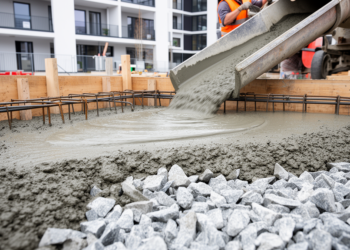
Crushed-sand mortar enables high-fluidity concrete with lower carbon footprint
A laboratory study developed a mortar-rheology method for making high-fluidity concrete with crushed limestone sand, achieving flows above 600 mm ...
A laboratory study developed a mortar-rheology method for making high-fluidity concrete with crushed limestone sand, achieving flows above 600 mm ...

An experimental study in Ecuador found that a hybrid steel-polypropylene fiber mix boosted concrete's energy absorption roughly 18-fold while cutting ...

A trace dose of carbon quantum dots boosts silica fume cement strength by up to 83.7% while cutting costs, offering ...
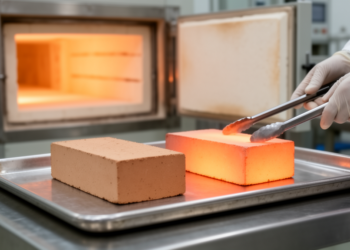
Researchers report that clay bricks doped with alumina and activated with sodium hydroxide retain nearly 76 percent of their strength ...
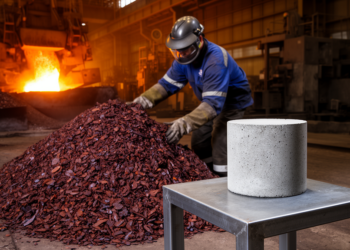
A critical review finds steel mill scale could replace sand in concrete and deliver radiation and EMI shielding, but the ...
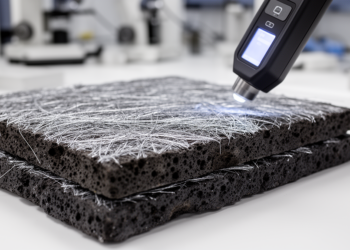
Researchers in Turkey have developed rhyolitic tuff geopolymer tiles reinforced with carbon fibers and zinc oxide that achieve up to ...
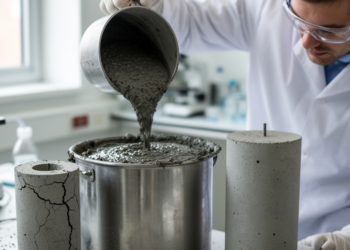
Researchers at Vellore Institute of Technology show that adding just 0.04 percent graphene oxide by weight of cement densifies the ...
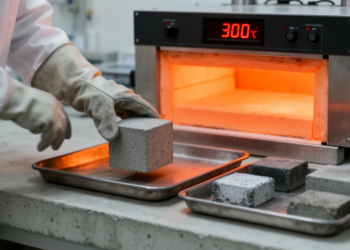
New experiments show cement mortar heated to 300 degrees Celsius can gain shear stiffness when cooled slowly in air, but ...
Brazilian researchers used HMDSO plasma coatings on cellulose fibers and found that an intermediate treatment, not the most hydrophobic one, ...
New research shows that trace doses of L-(+)-tartaric acid delay cement setting yet ultimately produce denser pore networks and significantly ...


Embark on a thrilling journey of discovery with Scienmag.com—your ultimate source for cutting-edge breakthroughs. Immerse yourself in a world where curiosity knows no limits and tomorrow’s possibilities become today’s reality!