


Inhibiting Irrelevant Information Eases the Cost of Switching Tasks
A task-switching study finds that stronger inhibition of task-irrelevant information significantly reduces switch costs.
A task-switching study finds that stronger inhibition of task-irrelevant information significantly reduces switch costs.

In rats, combined activation of D1 dopamine and α2A adrenergic receptors improved temporal order memory and cognitive flexibility more than ...

A new study finds that personality functioning severity in borderline personality disorder is most closely linked to self-reported mentalizing difficulties ...

A single-case study reports that individualized, QEEG-guided low-intensity transcranial magnetic stimulation was associated with altered brain wave patterns and improved ...

A meta-analysis of 22 randomized trials finds exercise programs of at least four weeks associated with better executive function task ...

A network meta-analysis of 12 Chinese randomized trials finds exploratory evidence that resistance exercise may best support inhibitory control, mind-body ...

A new meta-analysis of 25 randomized controlled trials finds that physical exercise may improve inhibitory control and possibly internalizing symptoms ...

A cross-sectional study of 318 Turkish adults found self-compassion was strongly associated with fewer depressive symptoms, with cognitive flexibility emerging ...
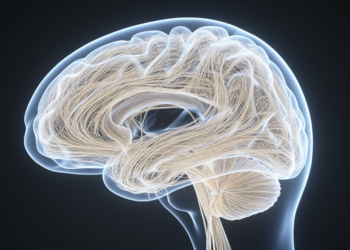
An exploratory fixel-based MRI study of seventeen young women with anorexia nervosa found significant increases in right cingulum fiber density ...

A new study of 840 adults aged 18 to 65 finds that self-efficacy and cognitive flexibility are the core psychological ...


Embark on a thrilling journey of discovery with Scienmag.com—your ultimate source for cutting-edge breakthroughs. Immerse yourself in a world where curiosity knows no limits and tomorrow’s possibilities become today’s reality!