

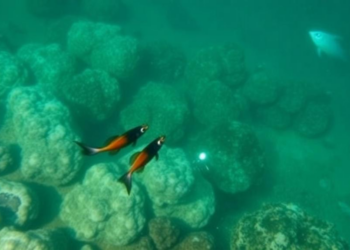
OceanEyes Turns India’s Coastlines Into a Living Lab for Marine Life
A new citizen science app developed by India's Ministry of Earth Sciences is turning smartphones into research-grade sensors for documenting ...
A new citizen science app developed by India's Ministry of Earth Sciences is turning smartphones into research-grade sensors for documenting ...
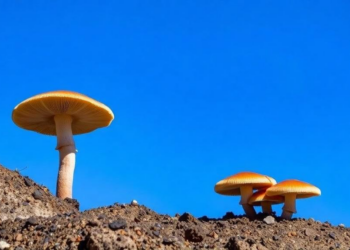
A decade of community science records shows that impervious surfaces in California are linked to reduced fungal richness and a ...
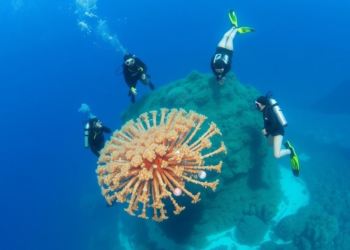
A two-year citizen science program trained volunteer divers to produce an open, quality-controlled baseline dataset for five monitored reef sites ...

A McGill-led study of nearly 200 Montreal parks shows that neighbourhood-level conditions such as winter temperatures, forest canopy and rivers ...
After 25 years, the Global Biodiversity Information Facility has grown from 21 founding countries into a network spanning 70 nations ...
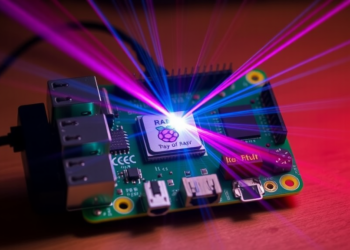
Researchers at the University of Montpellier have built Kosmiko, a low-cost platform that converts Sony IMX477 camera sensors and a ...
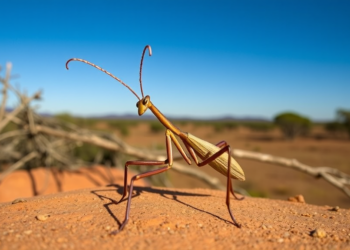
University of Sydney researchers have revised Australia's Anchiale stick insects, revealing two new species including one with unique lidded eggs ...
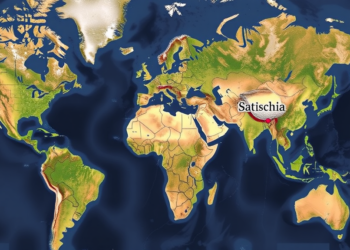
Researchers have launched Who Eats Whom, an open-source database built on iNaturalist citizen science observations that has already logged roughly ...

A pilot study from UC Davis used DNA metabarcoding of owner-collected cat scats to reveal that owned cats rarely consume ...

A Florida smartphone-based study found that evening outdoor activity, not yard mosquito abundance, best predicts human mosquito-bite exposure.


Embark on a thrilling journey of discovery with Scienmag.com—your ultimate source for cutting-edge breakthroughs. Immerse yourself in a world where curiosity knows no limits and tomorrow’s possibilities become today’s reality!