

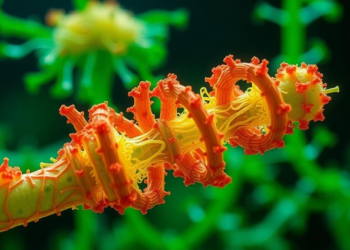
Stress Protein HliA Shown to Capture Toxic Chlorophyll in Lab Reconstitution
Scientists have purified the cyanobacterial stress protein HliA for the first time and shown in vitro that it binds chlorophyll ...
Scientists have purified the cyanobacterial stress protein HliA for the first time and shown in vitro that it binds chlorophyll ...
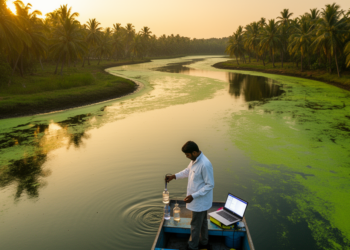
AI prediction models built with neural networks and neuro-fuzzy techniques can forecast chlorophyll-a in India's Ashtamudi estuary with near-perfect accuracy, ...
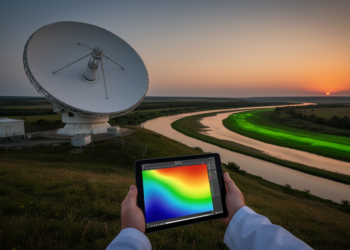
The new study arrives at a moment when the remote sensing community is increasingly confronting a paradox that has quietly ...
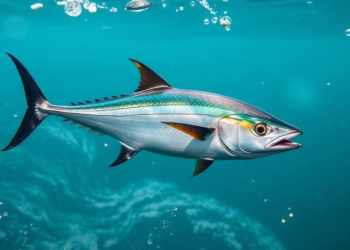
A five-year study of Palabuhanratu Bay shows that skipjack tuna catch rates are shaped by the combined influence of physical ...
A nine-year validation study shows satellite chlorophyll measurements reliably track toxic algal blooms in Chesapeake Bay tributaries, but converting chlorophyll ...
A three-year study of India's Ashtamudi Estuary shows that phosphates and nitrates drive chlorophyll-a levels, and that a neural network ...
A six-month study of Lagos coastal waters shows that freshwater inflows during the wet season deliver nutrients that elevate chlorophyll-a ...
A ten-year study in the eastern English Channel shows that summer storms act as predictable structuring forces, with river-fed storms ...
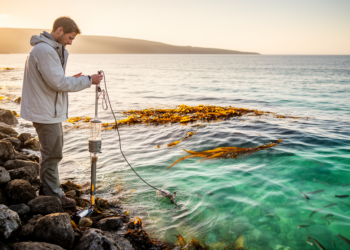
Researchers have developed ShyBFM v1.0, an open-source unstructured-grid model coupling ocean circulation with biogeochemistry, which outperforms coarser models in simulating ...
New ocean model experiments show that declining chlorophyll a in the equatorial Atlantic warms the eastern basin, weakens upwelling, and ...


Embark on a thrilling journey of discovery with Scienmag.com—your ultimate source for cutting-edge breakthroughs. Immerse yourself in a world where curiosity knows no limits and tomorrow’s possibilities become today’s reality!