

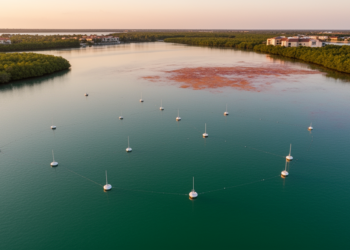
Florida’s Largest Estuary Gets a 24/7 Nervous System to Track Hurricanes and Red Tide
Researchers at the University of South Florida have built a network of autonomous sensor stations that monitors Tampa Bay's water ...
Researchers at the University of South Florida have built a network of autonomous sensor stations that monitors Tampa Bay's water ...
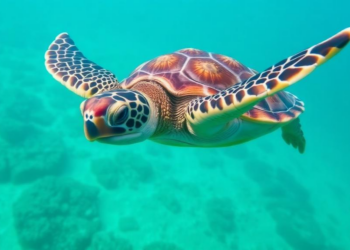
A new satellite-tracking study of 53 juvenile loggerhead turtles in the eastern North Pacific shows that 86 percent of their ...
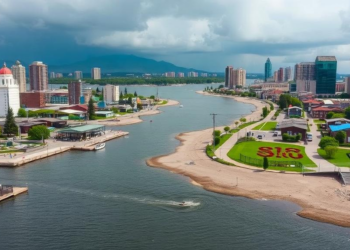
A continental-scale analysis of five U.S. estuaries finds that urbanized systems showed unexpectedly high resistance to precipitation-driven dissolved oxygen shifts, ...
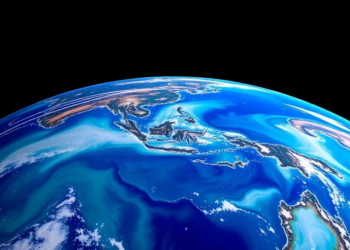
A decade-long audit of nearly 20,000 NASA-analyzed ocean samples shows phytoplankton pigment measurements meet satellite validation standards, with natural patchiness ...
Six years of biogeochemical Argo float data have uncovered a unique September collapse and October rebound in phytoplankton biomass in ...
A new study combining sediment nanoparticle analysis with six years of Sentinel-3 satellite data reveals evidence of water quality degradation ...
A 25-year satellite and machine learning reconstruction of Ethiopia's Gefersa Reservoir shows that dry season algal growth and organic matter ...
A new laboratory study finds that leachates from biodegradable polypropylene microplastics inhibit the growth of marine microalgae, with Chlorella sp. ...
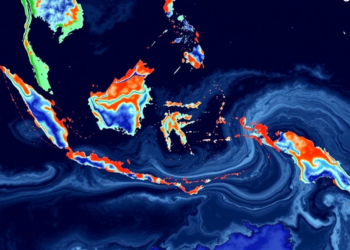
A new Ocean Dynamics study finds that the Interdecadal Pacific Oscillation strongly controls the depth of thermocline and halocline boundaries ...
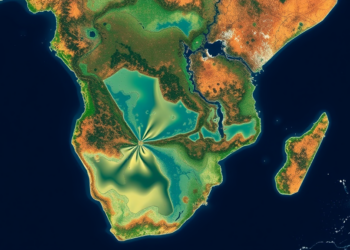
A new 1-kilometer grid-based screening framework links two decades of fine particulate pollution with satellite-derived water quality signals across the ...


Embark on a thrilling journey of discovery with Scienmag.com—your ultimate source for cutting-edge breakthroughs. Immerse yourself in a world where curiosity knows no limits and tomorrow’s possibilities become today’s reality!