


Caltech nanosyringes inject enzymes into plant cells
Caltech researchers have adapted bacterial nanosyringes to deliver functional proteins directly into plant cells, bypassing traditional genetic modification methods.
Caltech researchers have adapted bacterial nanosyringes to deliver functional proteins directly into plant cells, bypassing traditional genetic modification methods.
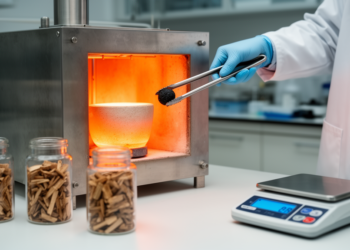
A study of ten wood species shows that radial and longitudinal shrinkage during carbonization are tied to hemicellulose and cellulose ...

A new BMC Plant Biology study shows that thidiazuron treatment kept harvested kiwifruit at 27.72 newtons of firmness after 20 ...
A University of Geneva study shows that the enzyme Pak2 makes yeast cell fusion irreversible by blocking cell wall repair ...

A dominant maize mutant called Stb1 bends its stems and curls its leaves, and genetic mapping plus transcriptome and biochemical ...
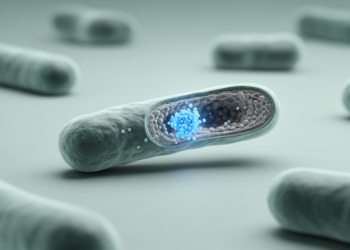
A Umeå University study shows that disrupting the cell wall transport lipid undecaprenyl phosphate blocks evolutionary escape routes in MRSA ...
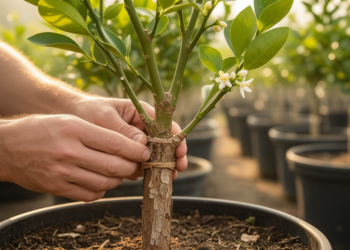
Researchers show that dwarfing rootstocks reshape hormone levels, gene expression and DNA methylation in tangerine scions, revealing how grafting chemically ...
The fungal pathogen Candida glabrata, now formally known as Nakaseomyces glabratus, has long been studied through the lens of a ...
Researchers have found that Candida auris can evade antifungal treatment by duplicating its entire genome, including mutations in a cell ...
New research in PLOS Biology defines the titanide, a tiny stress-resistant cell type that Cryptococcus neoformans generates from typical yeast ...


Embark on a thrilling journey of discovery with Scienmag.com—your ultimate source for cutting-edge breakthroughs. Immerse yourself in a world where curiosity knows no limits and tomorrow’s possibilities become today’s reality!