


Rare Fossil Mouthparts Reveal Feeding Secrets of Ordovician Sea Predators
Two nearly complete fossil mouthparts from Morocco's Fezouata Shale are identified as hurdiid radiodont oral cones and reveal possible reinforced ...
Two nearly complete fossil mouthparts from Morocco's Fezouata Shale are identified as hurdiid radiodont oral cones and reveal possible reinforced ...
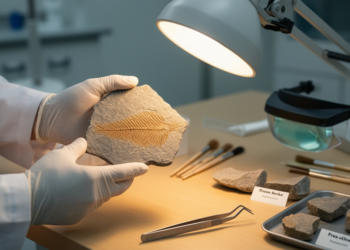
Microscopic 535-million-year-old cuticle fragments from China's Yanjiahe Formation reveal six distinct forms of molting animals, including possible appendage-bearing panarthropods, illuminating ...
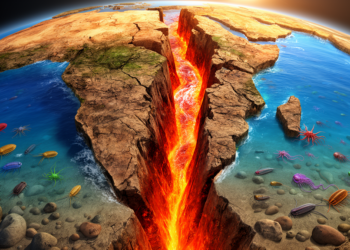
A new synthesis argues that supercontinent breakup, Gondwanan orogeny, and a collapsing geomagnetic field together drove the material cycling that ...
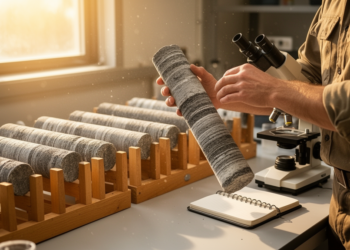
An international scientific drilling project has recovered more than 2.6 kilometres of core from Namibia and Brazil, preserving an exceptionally ...
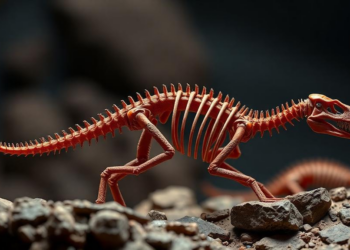
New research from the University of Oxford suggests animals may have originated between 800 and 700 million years ago, up ...
New 518-million-year-old fossils named Yujingia glutenotunica suggest that the common ancestor of starfish and acorn worms used tentacles to feed, ...
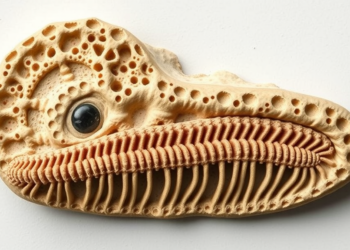
Sulfur isotope signatures in pyritized Ediacaran fossils indicate that chemosymbiosis between animals and bacteria evolved more than 540 million years ...
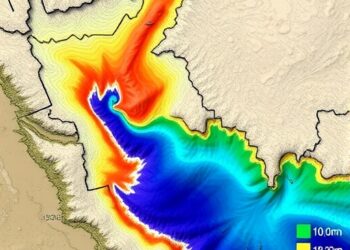
The Cambrian Explosion is often described as nature’s most dramatic evolutionary acceleration: in a geologically brief interval, nearly all major ...

In a groundbreaking study set to reshape our understanding of the Earth's early atmosphere and oceanic conditions, Zhang et al. ...


Embark on a thrilling journey of discovery with Scienmag.com—your ultimate source for cutting-edge breakthroughs. Immerse yourself in a world where curiosity knows no limits and tomorrow’s possibilities become today’s reality!