

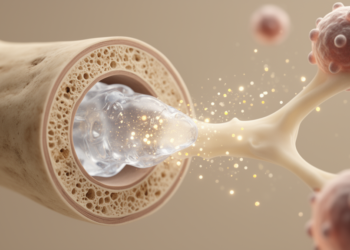
Drug-loaded hydrogel triggers immune cells to rebuild bone in defects
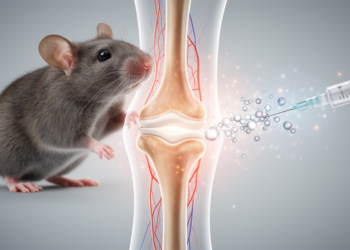
A collagen hydrogel releasing a T cell-inducing drug enhanced bone regeneration in a rodent skull defect model.
A collagen hydrogel releasing a T cell-inducing drug enhanced bone regeneration in a rodent skull defect model.
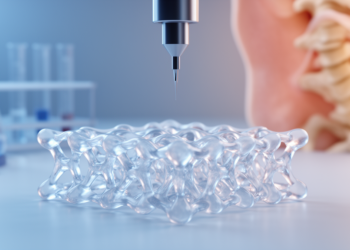
A new review maps how artificial intelligence is reshaping 3D-printed hydrogel scaffolds for skin and bone regeneration, while flagging the ...
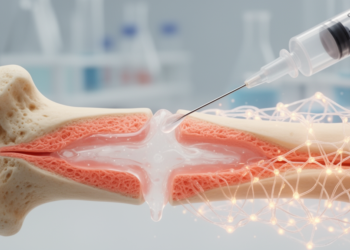
A new injectable hydrogel combining boronic ester bonds and boron–nitrogen coordination promoted bone regeneration in a rat calvarial defect model ...

A new review maps how hydrogels engineered to release antibiotics first and growth factors second could integrate infection control and ...
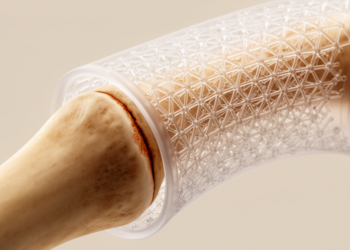
A 3D-printed polycaprolactone sleeve reduced transverse strain in porous gyroid bone scaffolds by 8.2 percent in cadaveric ovine defect tests, ...
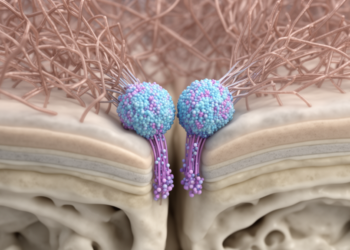
A mouse study finds that the collagen receptors β1 integrin and DDR2 cooperate to drive skeletal progenitor cell migration, proliferation ...
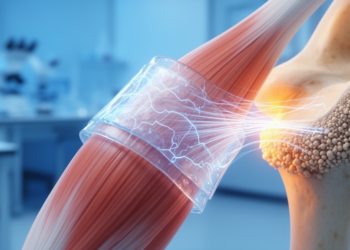
A sandwich-structured PVDF and silk fibroin hydrogel laced with MXene converts everyday mechanical stress into electrical stimulation, tipping the bone-fat ...
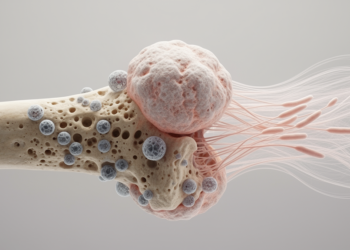
An agent-based simulation suggests that osteocytes embedded in newly formed bone can retain youthful responsiveness to mechanical loading even in ...
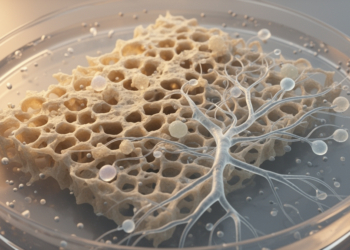
Cell-culture and mouse experiments found that low-concentration simvastatin promoted osteogenic activity and endothelial network formation through a process associated with ...
A sustained-release nanofibrous membrane delivered wild-type stem-cell extracellular vesicles to improve bone formation in p75NTR-deficient mouse cells and cranial defects.


Embark on a thrilling journey of discovery with Scienmag.com—your ultimate source for cutting-edge breakthroughs. Immerse yourself in a world where curiosity knows no limits and tomorrow’s possibilities become today’s reality!