

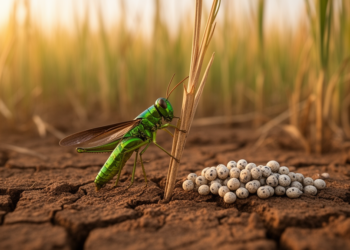
Natural Enemies Offer Eco-Friendly Locust Control
A comprehensive review highlights the role of natural enemies, including fungi, viruses, and vertebrate predators, in the biological control of ...
A comprehensive review highlights the role of natural enemies, including fungi, viruses, and vertebrate predators, in the biological control of ...
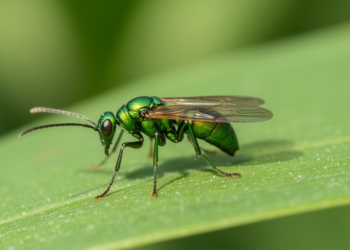
The first two complete mitochondrial genomes for the parasitic wasp genus Neotrichoporoides reveal strong AT bias, novel tRNA rearrangements reported ...
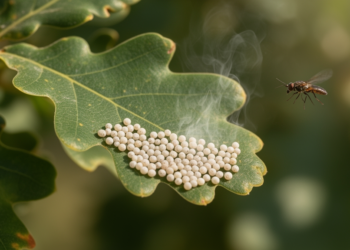
Oak silkworm eggs laid in the open are protected by the volatile compound 2-ethyl-1-hexanol, which repels parasitic wasps and could ...
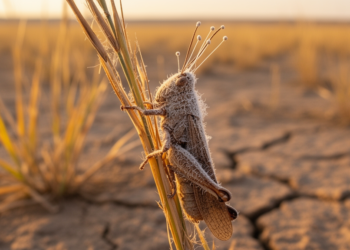
A locally isolated strain of Aspergillus oryzae, a fungus famous for food fermentation, cut grasshopper populations by up to 84.9 ...
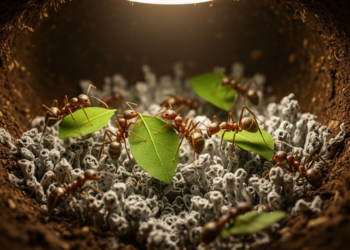
A combined experimental and mathematical study shows that self-grooming outperforms allogrooming against the virulent fungus Metarhizium anisopliae, while multi-chambered nest ...
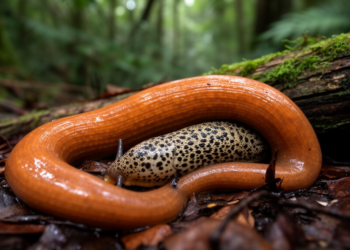
Field observations in southern Chile document the giant native land planarian Polycladus gayi using two distinct predatory tactics to subdue ...
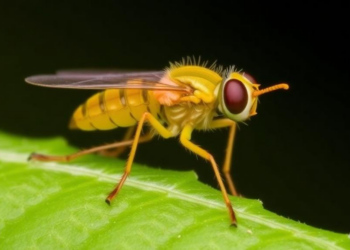
Researchers report two new grasshopper hosts for the parasitoid flesh fly Blaesoxipha angustifrons, expanding the known host range of a ...
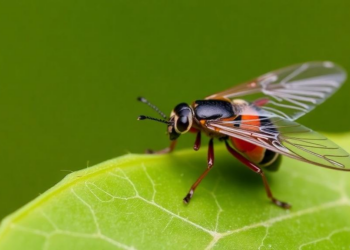
A new mathematical model reveals that predator presence triggers wingless aphids to produce winged offspring capable of dispersing to uninfested ...
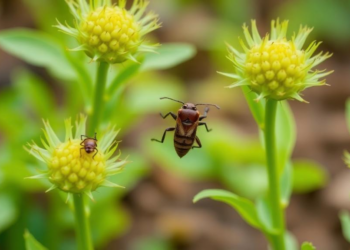
A new review maps how endophytic microbes defend crops against insect pests, while warning that inconsistent colonization, environmental sensitivity, and ...

A new ten-year study shows the fungal biopesticide Metarhizium acridum retained full spore viability and killed more than 80 percent ...


Embark on a thrilling journey of discovery with Scienmag.com—your ultimate source for cutting-edge breakthroughs. Immerse yourself in a world where curiosity knows no limits and tomorrow’s possibilities become today’s reality!