

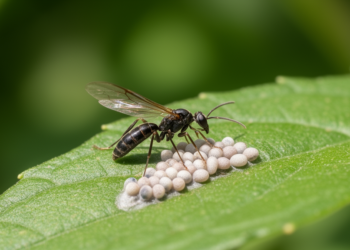
Egg chemicals guide a tiny wasp’s hunt for pest moth eggs
Female Telenomus remus wasps were attracted to eggs of three moth species, and seven egg-surface compounds elicited significant behavioral responses ...
Female Telenomus remus wasps were attracted to eggs of three moth species, and seven egg-surface compounds elicited significant behavioral responses ...
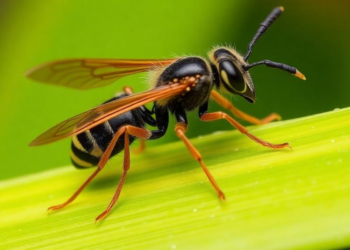
Successive laboratory rearing of the egg parasitoid Telenomus busseolae reduced its parasitism rate, fertility, emergence, longevity and female-biased sex ratio ...

A year of field surveys and DNA metabarcoding of beetle gut contents show that Chilocorus kuwanae is a key predator ...

Two Burkholderia soil isolates from Taiwan significantly suppressed Fusarium wilt in greenhouse tomatoes, but silicon co-application failed to help and ...
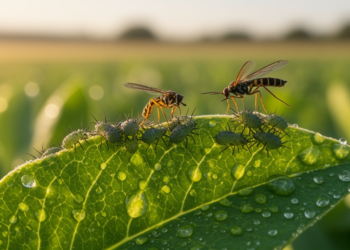
A mathematical model of biological control shows how additional food for predators and delayed parasitoid development can destabilise pest suppression ...
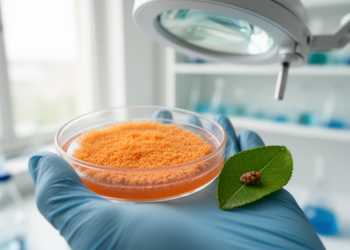
Laboratory tests show the entomopathogenic fungus Akanthomyces lecanii isolate V3450 kills Asian citrus psyllid nymphs and adults in a concentration-dependent ...
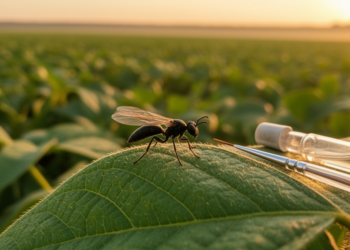
Two previously unknown species of aphid parasitoid wasps, Aphidius brethes and Trioxys pampas, have been described from Malaise trap samples ...
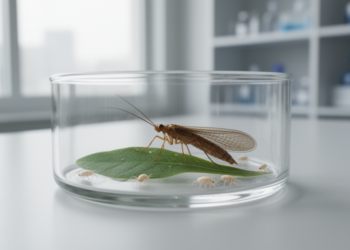
Larvae of the predatory brown lacewing Sympherobius barberi survived 89 percent on the storage mite Tyrophagus putrescentiae versus 31 percent ...
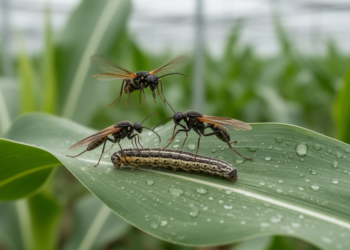
A laboratory study in India found the parasitoid wasp Chelonus formosanus achieved significantly higher pupation and adult emergence rates on ...

Fall armyworm, the voracious caterpillar that has become one of the most destructive pests of maize worldwide, can be pushed ...


Embark on a thrilling journey of discovery with Scienmag.com—your ultimate source for cutting-edge breakthroughs. Immerse yourself in a world where curiosity knows no limits and tomorrow’s possibilities become today’s reality!