

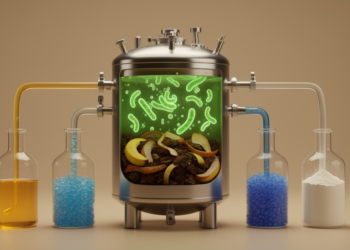
Microbes Turn Food Waste Into Biofuels, Bioplastics and Protein
A new review details how anaerobic digestion, fermentation, composting and single-cell protein production could convert the world's 1.3 billion tonnes ...
A new review details how anaerobic digestion, fermentation, composting and single-cell protein production could convert the world's 1.3 billion tonnes ...
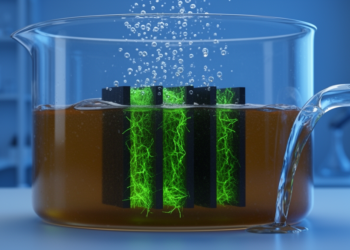
A new Frontiers review details how nano-enhanced microbial electrochemical technologies could transform wastewater into electricity, hydrogen, clean water and recovered ...

A new review in Environmental Science and Pollution Research maps how electrochemical technologies such as electrocoagulation, electrodeposition, membrane systems, and ...
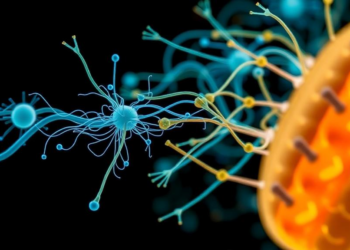
A new review details how bacteria transfer electrons to electrodes through nanowires, cytochromes and chemical mediators, the key mechanism that ...
A systematic review of roughly 120 studies shows that electrocoagulation, electro-oxidation, and bioelectrochemical systems can dramatically boost the performance of ...
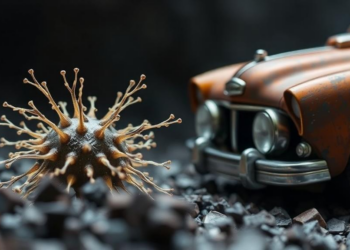
Scientists have shown that a metal-resistant bacterium in a microbial fuel cell can redistribute rhodium from untreated spent car catalyst, ...
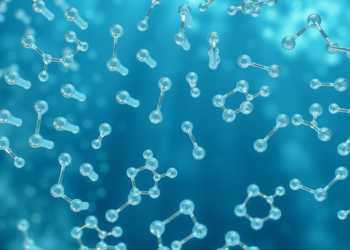
A new review details how microbial electrosynthesis can convert renewable electricity and CO2 into acetate, bioplastics, upgraded biogas, and single-cell ...

A groundbreaking advancement in environmental remediation has emerged from recent research that unleashes the power of sediment microbial fuel cells ...


Embark on a thrilling journey of discovery with Scienmag.com—your ultimate source for cutting-edge breakthroughs. Immerse yourself in a world where curiosity knows no limits and tomorrow’s possibilities become today’s reality!