


Segmented Biophotovoltaic System Generates Electricity from Marine Cyanobacteria Outdoors
A three-part biophotovoltaic device using marine cyanobacteria achieved comparable power densities under natural sunlight and laboratory illumination.
A three-part biophotovoltaic device using marine cyanobacteria achieved comparable power densities under natural sunlight and laboratory illumination.

A review of bioelectronic tissue engineering indicates that piezoelectric, conductive, and triboelectric scaffolds can recreate the native electrical microenvironment to ...

Researchers at UC Santa Cruz developed a technique to harvest voltage from prickly pear cacti stems using pH gradients generated ...

Researchers developed a bio-based triboelectric nanogenerator using immobilized microalgae that successfully converts biomechanical energy into electricity for powering small electronic ...

A new review finds microbial fuel cells can treat wastewater while generating electricity, but scaling and cost barriers still block ...

A multi-criteria statistical framework identified the best kinetic models for substrate inhibition in ceramic microbial fuel cells, defining operating windows ...
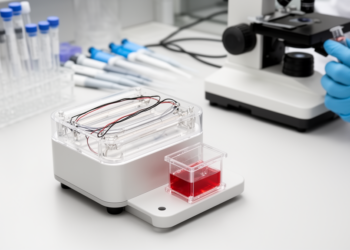
A charge-separating device enriched pancreatic cancer-associated extracellular vesicles in blood samples from 112 people, revealing a difference that average electrical ...
A new theoretical framework proposes that consciousness emerges from temporal integration windows operating from cellular memory up to cortical experience, ...
A new review details how bacteria transfer electrons to electrodes through nanowires, cytochromes and chemical mediators, the key mechanism that ...
A new review in Discover Biotechnology charts how microbial fuel cells convert organic waste, from cassava effluent to azo dyes, ...


Embark on a thrilling journey of discovery with Scienmag.com—your ultimate source for cutting-edge breakthroughs. Immerse yourself in a world where curiosity knows no limits and tomorrow’s possibilities become today’s reality!