


Microbes Offer a Greener Route to Making Antibiotics
A new open-access review finds that microbial biotransformation, using whole cells and isolated enzymes, can make antibiotic manufacturing greener by ...
A new open-access review finds that microbial biotransformation, using whole cells and isolated enzymes, can make antibiotic manufacturing greener by ...

A repurposed imine reductase uses photoexcited NADP+ to generate P-centred radicals and forge chiral carbon–phosphorus bonds with divergent stereocontrol.

Engineered type III binuclear copper enzymes from Bacillus megaterium catalyze unnatural enantioselective radical halogenation and pseudohalogenation reactions.

Machine learning-guided engineering of yeast alcohol dehydrogenase produced variants with more than doubled activity toward trans-2-nonenal, and one variant also ...
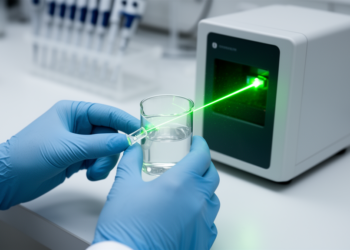
A new open-access protocol uses continuous dynamic light scattering to track protein self-assembly minute by minute, with the full workflow ...
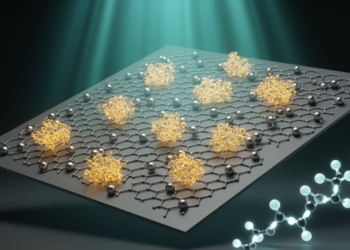
Chemists have created graphene-enzyme hybrids in which immobilized lipases induce the formation of palladium and copper nanoparticles that catalyze carbon-carbon ...
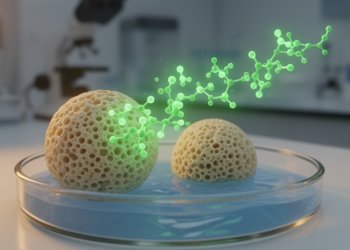
Researchers immobilized the alkane-degrading enzyme LadA on a polymeric support, boosting its thermal and pH stability and enabling reuse across ...
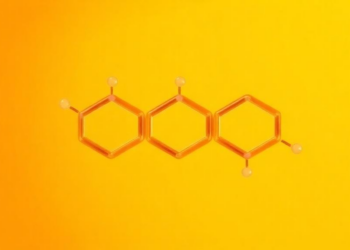
A Trametes versicolor laccase co-oxidized quercetin and caffeic acid into five derivatives with dramatically improved water solubility and UV stability, ...

Combinatorial biosynthesis in Magnaporthe grisea shows that cytochalasan P450 enzymes tolerate macrocycle size differences but are restricted by the stereochemistry ...
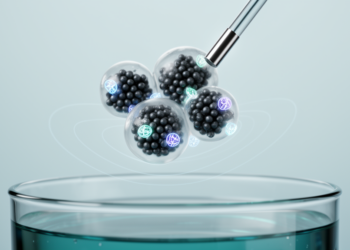
Researchers engineered a dual-layer alginate composite around magnetic nanoparticles and enzymes, preserving full activity below 80 °C and retaining over ...


Embark on a thrilling journey of discovery with Scienmag.com—your ultimate source for cutting-edge breakthroughs. Immerse yourself in a world where curiosity knows no limits and tomorrow’s possibilities become today’s reality!